
-

1. Apples Are Nutritious A medium apple is equal to 1.5 cups of fruit. Two cups of fruit daily are recommended ..
-
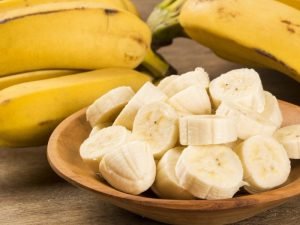
1.Bananas help overcome depression due to high levels of tryptophan, which is converted into serotonin ..
-
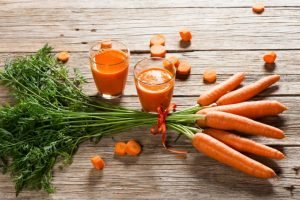
1. Beta carotene: Carrots are a rich source of this powerful antioxidant, which, among other vital uses, ..
-

Tinnitus in the ear can occur due to ear infections, various infections, perforation of the eardrum, ..
-
Comments Off on Pregnancy Calendar – Week 5 of Your Pregnancy

5-week pregnancy “Pregnancy calendar” at week 5: Your baby’s brain is developing. You may feel ..
-
Comments Off on Pregnancy Calendar – Week 4 of Your Pregnancy

4 weeks pregnancy “Pregnancy calendar” at 4th week: A miracle begins! Your baby, now consisting ..
-
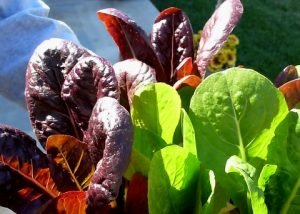
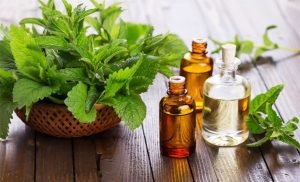
How to make your own herbal infusions for common ailments
Herbal infusions are among the simplest traditional preparations to make at home. They involve steeping leaves, flowers, or other delicate plant parts in hot water so that their flavor and water-soluble compounds are released. A warm cup can be soothing during a cold, support relaxation before bed, or settle an occasionally uncomfortable stomach.
These drinks are not a replacement for medical diagnosis or prescribed treatment. Their effects are usually gentle, and the quality of evidence varies widely between herbs. The safest approach is to use familiar plants, prepare them correctly, and treat an infusion as supportive self-care rather than a cure.
Good preparation begins with the herb itself. Use food-grade dried herbs from a reputable supplier, check the botanical name when possible, and avoid plants collected from roadsides, treated gardens, or areas where their identity is uncertain. Fresh herbs can work well too, although their flavor and strength may differ from dried material.
What an herbal infusion can and cannot do
An infusion is made by pouring hot water over soft plant parts and allowing them to steep. Leaves and flowers are generally suitable for this method because their useful aromatic and water-soluble components can be extracted without prolonged boiling. Roots, bark, seeds, and tough berries often require a simmered decoction instead.
Many people use herbal tea for mild, short-term concerns such as throat irritation, occasional indigestion, tension, or difficulty winding down at night. Chamomile, peppermint, ginger, lemon balm, and thyme are common examples, but “natural” does not automatically mean risk-free. A plant can contain active compounds that affect digestion, blood pressure, blood clotting, blood sugar, or the nervous system.
Pay attention to the difference between comfort and treatment. Warm fluid may soothe a dry throat, hydration may help loosen mucus, and a calming ritual may support sleep. None of these effects proves that an herb treats an infection or prevents a serious health problem. Seek medical care for severe, persistent, or worsening symptoms.
Choosing herbs and preparing them safely
Select one herb at first rather than combining many ingredients. A single-herb infusion makes it easier to notice both benefits and unwanted reactions. Once a plant is familiar and well tolerated, it may be paired with another compatible herb for flavor, such as peppermint with ginger or lemon balm with chamomile.
Dried herbs should look and smell fresh, without visible mold, dampness, insects, or a stale odor. Store them in airtight containers away from sunlight, heat, and moisture. Label each container with the herb name and purchase date. If a packet lacks clear identification or preparation instructions, choose another product.
Water quality also matters. Freshly drawn drinking water is usually sufficient. Boiling water is appropriate for most dried leaves and flowers, but extremely hot water can make delicate herbs taste harsh. Use a covered cup or teapot during steeping to retain volatile aromatic compounds, especially with mint, lemon balm, or chamomile.
A simple method for homemade infusions
For a basic cup, place about one teaspoon of dried herb or one tablespoon of fresh chopped herb in a mug or teapot. Add approximately 250 milliliters of freshly boiled water, cover the vessel, and steep for five to ten minutes. Strain before drinking. More robust or strongly flavored herbs may need a slightly longer steep, while delicate flowers are often ready sooner.
Start with a mild preparation and a small serving. Taste and observe how your body responds before making the infusion stronger or drinking it several times a day. Honey can improve the flavor of some teas, but it should not be given to infants under one year of age. Citrus may add freshness, though it can aggravate reflux in some people.
Prepare only what you expect to drink within the day unless the product instructions say otherwise. Refrigerate leftovers promptly in a clean, covered container and discard them if they develop an unusual smell, taste, or appearance. Avoid keeping homemade infusions at room temperature for long periods because plant material and water can support microbial growth.
Herb Common use for mild symptoms Suggested steeping approach Important cautions Chamomile Relaxation and occasional digestive discomfort 5–10 minutes, covered Avoid if allergic to ragweed-family plants; ask a clinician about use with blood thinners Peppermint leaf Gas, bloating, and refreshing throat comfort 5–8 minutes May worsen heartburn or reflux Ginger root Nausea and digestive unease Thin slices steeped 10 minutes High amounts may irritate the stomach or affect clotting Lemon balm Calmness and bedtime relaxation 5–10 minutes Discuss regular use with a clinician if taking sedatives or thyroid medication Thyme Warm throat-soothing drink during a cold 5–10 minutes Culinary amounts are generally familiar; concentrated preparations need more caution Gentle options for everyday complaints
For occasional digestive discomfort, peppermint leaf may provide a cooling, aromatic drink, while ginger is often chosen for nausea or a heavy feeling after eating. Steep a few thin slices of fresh ginger or a modest amount of dried ginger in hot water. Sip slowly rather than drinking a very strong cup quickly. People with frequent heartburn may find that peppermint makes symptoms worse.
Chamomile and lemon balm are popular evening infusions because their flavor and aroma can encourage a quiet routine. They may help someone relax, but they should not be presented as guaranteed sleep treatments. Drink a small cup 30 to 60 minutes before bed and avoid adding large amounts of liquid if nighttime bathroom trips already disturb sleep.
For a scratchy throat, thyme or a mild ginger infusion can feel comforting when warm, not scalding. A simple salt-water gargle may be more appropriate for some throat irritation, while honey in a warm drink can coat the throat for adults and older children. Trouble breathing, drooling, severe swelling, dehydration, or a sore throat that persists needs prompt professional assessment.
During a cold, hydration and rest remain central. Herbal drinks can make it easier to consume fluids, but they do not eliminate viruses. A varied diet also supports general nutritional health; resources discussing leafy greens and immunity can complement, rather than replace, sensible care for respiratory symptoms.
Safety, interactions, and special situations
Check with a qualified healthcare professional before using medicinal herbs regularly if you are pregnant, breastfeeding, caring for a child, or managing a chronic condition. Extra care is also important for people with liver or kidney disease, seizure disorders, allergies, or a history of hormone-sensitive conditions. Safety data for many plants during pregnancy are limited, so “just a tea” should not be assumed harmless.
Herbs can interact with medicines. Ginger, ginkgo, garlic preparations, and some other botanicals may influence bleeding risk. Licorice can affect blood pressure and potassium when consumed frequently or in concentrated amounts. Sedating herbs may add to the effects of sleep medicines, anxiety medicines, alcohol, or antihistamines. Even common herbs deserve attention when used every day.
Stop using an infusion and seek advice if it causes rash, swelling, wheezing, severe nausea, persistent diarrhea, dizziness, palpitations, or unusual bleeding. Do not use essential oils in place of tea herbs; they are much more concentrated and may be dangerous when swallowed. Avoid homemade remedies for infants unless a pediatric professional specifically recommends them.
Use symptoms as a guide for seeking care. Chest pain, difficulty breathing, confusion, fainting, blood in vomit or stool, severe abdominal pain, signs of dehydration, and rapidly worsening illness require medical attention rather than home experimentation. A fever in a very young infant also warrants urgent professional guidance.
A practical herbal tea routine
A small, organized supply makes homemade infusions easier and safer. Keep two or three familiar herbs rather than a large collection of unverified products. Record the herb, amount used, steeping time, and any effects you notice. This simple habit helps identify which drinks suit you and prevents accidental overuse.
Follow these practical recommendations:
- Begin with one clearly labeled, food-grade herb and a mild serving.
- Use hot water, cover the cup while steeping, and strain plant material before drinking.
- Avoid making concentrated extracts or mixing several medicinal herbs without professional guidance.
- Check potential interactions if you take prescription medicines, use over-the-counter drugs, or have a chronic condition.
- Discontinue the infusion if you develop an allergic reaction or symptoms that feel unusual.
Flavor can encourage consistent hydration, so choose an herb you genuinely enjoy. Peppermint offers a cool taste, chamomile is floral and mild, ginger is warm and spicy, and lemon balm has a gentle citrus character. If an infusion tastes intensely bitter, causes burning, or seems unpleasantly strong, dilute it or stop using it rather than forcing it.
The most responsible home remedy is modest, clearly prepared, and used for a limited purpose. Treat herbal infusions as a supportive part of rest, hydration, balanced nutrition, and appropriate medical care. Choose one familiar herb, prepare a gentle cup, and keep safety information close at hand as you build a thoughtful daily wellness routine.
-
Tea Tree Essential Oil Tea tree oil is often referred to as “medicine cabinet in a bottle,” as it’s ..
-

13 surprising home remedies for acid reflux Before you reach for the heavy-duty, prescription-strength ..
-
Great Burdock The root is used to treat ‘toxic overload’ that result in throat infections and skin ..