
-

1. Apples Are Nutritious A medium apple is equal to 1.5 cups of fruit. Two cups of fruit daily are recommended ..
-

1.Bananas help overcome depression due to high levels of tryptophan, which is converted into serotonin ..
-
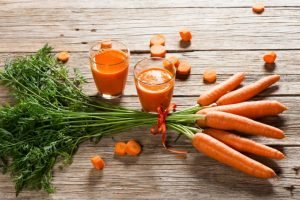
1. Beta carotene: Carrots are a rich source of this powerful antioxidant, which, among other vital uses, ..
-

Tinnitus in the ear can occur due to ear infections, various infections, perforation of the eardrum, ..
-
Comments Off on Pregnancy Calendar – Week 5 of Your Pregnancy

5-week pregnancy “Pregnancy calendar” at week 5: Your baby’s brain is developing. You may feel ..
-
Comments Off on Pregnancy Calendar – Week 4 of Your Pregnancy

4 weeks pregnancy “Pregnancy calendar” at 4th week: A miracle begins! Your baby, now consisting ..
-

How to spot hidden added sugars in packaged foods you buy every day
Walking through the aisles of a Coles or Woolworths in Sydney, Melbourne, or Brisbane, it's easy to assume the products lining the shelves are honest about their contents. Yet packaged foods marketed as wholesome or lightly sweetened often carry surprising amounts of sugar that don't match the impression on the front of the pack. For shoppers trying to follow the Australian Dietary Guidelines, this gap can quietly push daily sugar intake well past the recommended limit of around six teaspoons for women and nine for men.
Added sugars don't behave the same way as the sugars naturally present in whole fruit, vegetables, or milk. They are digested faster, contribute empty calories, and are linked in Australian and international research to weight gain, type 2 diabetes, fatty liver disease, and tooth decay. The challenge for everyday consumers is that food manufacturers rarely write the word "sugar" more than once on a label, even when the product contains several teaspoons per serve.
Understanding how sugar appears under different names, how the ingredients list is structured, and what the per-100-gram figures actually mean is the foundation of smarter shopping. A few minutes spent decoding a label in the supermarket can save years of accidental overconsumption, and it doesn't require a nutrition degree.
This guide walks through where sugar hides in Australian pantries, the alternative names used on labels, how to use the Health Star Rating alongside the nutrition panel, and practical swaps that work in real households from Perth to Hobart.
Where added sugars lurk in the Aussie aisle
Sugar is not only found in obvious sweet treats. In Australian supermarkets, added sugars are tucked into categories many shoppers consider everyday staples rather than indulgences. Breakfast cereals, fruit-flavoured yoghurts, muesli bars, sauces, marinades, salad dressings, and even some breads can contain several teaspoons of added sugar per serve. Local favourites such as flavoured milks, instant coffees, and breakfast spreads regularly top the sugar charts when checked against their per-100-gram values.
Tomato sauce and barbecue sauce are particularly deceptive. A two-tablespoon serving of a popular brand can contain the equivalent of a teaspoon of sugar, and many Australians pour it on sausages or grilled chicken without a second thought. The same pattern shows up in stir-fry sauces, sweet chilli sauce, and pasta sauces, where the front label shouts "tomato" while the ingredients list quietly includes sugar, glucose syrup, or fruit juice concentrate. Even savoury products like marinades, gravies, and packet soups often rely on sugar to round out flavour and balance acidity.
The "better-for-you" snack aisle deserves close attention too. Muesli bars, protein bars, dried fruit snacks, and "fruit-only" bars are often positioned as healthy alternatives, yet their sugar content can rival a chocolate bar. Plant-based milks, oat-based yoghurts, and gluten-free crackers frequently contain added sugars to compensate for flavour lost during processing. Packaging language such as "natural", "light", or "no artificial colours" tells you very little about actual sugar content. A handful of what are the most nutrient dense nuts and seeds to add to your diet is usually a smarter snack choice than a packaged bar that promises to be healthy.
Reading the ingredients list like a detective
Under the Australia New Zealand Food Standards Code, ingredients must be listed in descending order by weight, which means the first three items make up the bulk of the product. If any form of sugar appears within those first three slots, the food is likely to be high in added sugar regardless of front-of-pack marketing. Reading past the first three is essential because a single product often contains several sugar sources, each listed separately so no single one appears at the top.
This fragmentation is deliberate. By splitting sugar across multiple ingredients such as sucrose, maltodextrin, and fruit juice concentrate, manufacturers can keep each one below the threshold that would require a clearer declaration. The cumulative effect, however, can still be substantial. Scanning the full list rather than the first line is the only way to gauge the true picture, and shoppers in Adelaide, Perth, or any other Australian city can apply this habit on their next regular shop.
The position of an ingredient also matters. Anything listed in the first five ingredients is present in meaningful quantities, and sugar appearing in slot two or three usually signals a heavily sweetened product. In contrast, sugar appearing near the end of a long list is typically present in smaller amounts. This ranking system, mandated by FSANZ, gives Australian consumers a reliable tool for at-a-glance comparison between two similar products on the shelf.
The many names of sugar on Australian labels
Sugar travels under dozens of aliases, and recognising them is the single most powerful skill for anyone trying to reduce their intake. Beyond the obvious word "sugar", Australian labels commonly list sucrose, glucose, fructose, dextrose, maltose, and galactose. Syrup-based ingredients are equally common, including glucose syrup, high-fructose corn syrup, rice syrup, malt syrup, and golden syrup, the last being a familiar addition to many local baking products.
Then there are the ingredients that sound wholesome but are still classified as added sugars. Honey, coconut sugar, date syrup, agave nectar, and fruit juice concentrate all count, even though they are often marketed as natural or healthier alternatives. From a metabolic standpoint, the body processes them in much the same way as refined white sugar. Manufacturers sometimes lean on this framing to suggest a health halo, which is why checking the actual ingredients list remains non-negotiable.
A few less obvious ingredients are worth memorising. Maltodextrin, dextrin, caramel, treacle, molasses, and evaporated cane juice all contribute added sugar. Even ingredients like caramelised sugar and honey powder belong on the list. Building a mental dictionary of these terms, or saving a reference list on your phone before heading to Coles, Woolworths, or IGA, makes label reading faster and more effective when comparing similar products side by side.
Using the nutrition panel and the Health Star Rating
The nutrition information panel on Australian packaged foods provides per-100-gram and per-serving figures, and these numbers tell the most direct story about sugar content. As a general rule, a product with less than 5 grams of sugar per 100 grams is considered low in sugar, between 5 and 15 grams is medium, and more than 15 grams is high. Breakfast cereals, snack bars, and flavoured yoghurts that exceed 15 grams per 100 grams should be treated with caution, particularly if the standard serve size printed on the pack is small.
The Health Star Rating system, introduced in Australia in 2014 and now appearing on thousands of products, condenses this information into a half-to-five-star scale. While the system is voluntary, most major brands display it, and it can be a useful shortcut when comparing two similar items on the shelf. A 4-star or 5-star breakfast cereal is generally a better choice than a 2-star one, even when both are marketed as "wholegrain" or "high in fibre". Pairing the star rating with a quick check of the per-100-gram sugar figure offers a more complete picture than either method alone.
It also helps to compare per-100-gram values rather than per-serve values, because manufacturers set the serve size in their favour. A cereal might list 8 grams of sugar per 30-gram serve, which sounds reasonable, but at 100 grams that jumps to over 26 grams. Doing the maths in the aisle, or at least eyeballing the per-100-gram column, prevents the most common labelling trick in the Australian market.
Smarter swaps and habits that work in Australian kitchens
Changing shopping habits is often easier than changing taste buds, and a few practical swaps can dramatically reduce household sugar intake. Replacing sweetened breakfast cereals with traditional rolled oats topped with fresh fruit and a sprinkle of cinnamon is a simple starting point. Choosing plain Greek yoghurt and adding your own fruit removes the hidden sugar found in most pre-flavoured varieties, and swapping tomato sauce for a reduced-sugar version or homemade passata cuts a significant amount from the weekly total.
Shopping the perimeter of the supermarket, where fresh produce, meat, dairy, and bread usually sit, is one of the most reliable ways to avoid processed sugars. Farmers' markets in cities like Melbourne, Sydney, and Brisbane offer seasonal fruit and vegetables at their peak, which makes naturally sweet produce more appealing and reduces the temptation to add sugar at home. Reading labels on staples such as bread, tinned beans, soups, and canned tomatoes takes only a few minutes each shopping trip and quickly reveals which brands are genuinely low in added sugar.
For anyone with specific health conditions, the case for careful label reading becomes even stronger. People managing issues such as malabsorption syndrome, diabetes, or fatty liver disease often need to track sugars carefully, and the difference between a few brands on the shelf can be the difference between staying within a target range and overshooting it. Building a small library of trusted low-sugar products, and revisiting it every few months as recipes and brands change, makes long-term success far more achievable.
Simple habits that make label reading easier
- Take a photo of the ingredients list of products you buy regularly and review them at home without time pressure.
- Keep a running note on your phone listing the alternative names for sugar, so you can scan labels quickly at the shops.
- Compare at least two brands of the same product each time you shop, using the per-100-gram sugar column.
- Choose products where no form of sugar appears in the first three ingredients.
- Use the Health Star Rating as a quick guide, but always confirm with the nutrition panel.
- Plan weekly meals around whole foods first, then fill gaps with packaged items you have already checked.
-

Tea Tree Essential Oil Tea tree oil is often referred to as “medicine cabinet in a bottle,” as it’s ..
-

13 surprising home remedies for acid reflux Before you reach for the heavy-duty, prescription-strength ..
-

Great Burdock The root is used to treat ‘toxic overload’ that result in throat infections and skin ..