
-

1. Apples Are Nutritious A medium apple is equal to 1.5 cups of fruit. Two cups of fruit daily are recommended ..
-
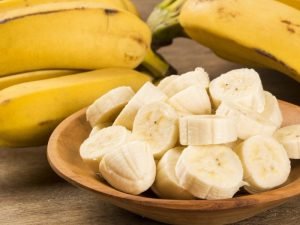
1.Bananas help overcome depression due to high levels of tryptophan, which is converted into serotonin ..
-
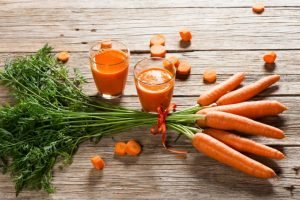
1. Beta carotene: Carrots are a rich source of this powerful antioxidant, which, among other vital uses, ..
-

Tinnitus in the ear can occur due to ear infections, various infections, perforation of the eardrum, ..
-
Comments Off on Pregnancy Calendar – Week 5 of Your Pregnancy

5-week pregnancy “Pregnancy calendar” at week 5: Your baby’s brain is developing. You may feel ..
-
Comments Off on Pregnancy Calendar – Week 4 of Your Pregnancy

4 weeks pregnancy “Pregnancy calendar” at 4th week: A miracle begins! Your baby, now consisting ..
-
Using Fenugreek Seeds for Milk Production and Digestion
Fenugreek seeds have a long history in traditional food and herbal practices. Their maple-like aroma, soluble fiber, and plant compounds have made them popular among people looking for gentle ways to support breastfeeding and digestive comfort. They are commonly prepared as a tea, soaked seeds, or a culinary spice.
Using fenugreek seeds for milk production and digestion requires realistic expectations. Fenugreek may help some breastfeeding parents, but research on its effect on milk volume remains limited and inconsistent. Digestive benefits are also influenced by the amount used, a person’s tolerance, hydration, and the underlying cause of symptoms.
A small serving in food is generally easier to tolerate than a concentrated supplement. Anyone who is pregnant, taking medication, managing diabetes, or caring for a baby with feeding difficulties should seek advice from a qualified healthcare professional before using fenugreek medicinally.
How Fenugreek May Support Breastfeeding
Fenugreek is traditionally described as a galactagogue, meaning an herb used to encourage breast milk production. Its seeds contain saponins and other plant compounds that may influence hormonal pathways involved in lactation. However, studies have produced mixed results, and some research has found little meaningful change in milk volume.
A perceived increase in milk supply may sometimes result from more frequent feeding, improved breast drainage, better hydration, or increased attention to pumping. These factors have a stronger established role than any single herb. Fenugreek should therefore be viewed as a possible complement to breastfeeding support rather than a replacement for skilled lactation care.
Milk production usually responds to regular and effective removal of milk. Feeding on cue, checking the baby’s latch, offering both breasts when appropriate, and avoiding unnecessarily long gaps can be more useful than immediately reaching for a supplement. A lactation consultant can help identify issues such as poor positioning, tongue movement problems, or insufficient transfer.
Practical Ways To Prepare The Seeds
Fenugreek seeds are intensely bitter, so many people begin with a mild infusion. Add a small amount of lightly crushed seed to hot water, allow it to steep, and strain it before drinking. Starting with a weak preparation helps reveal whether it causes gas, loose stools, nausea, or an unusual maple-like body odor.
Soaking the seeds overnight can soften them and may make their fiber easier to tolerate. The soaked seeds can be added to porridge, yogurt, soup, or another meal. They should be chewed thoroughly and consumed with enough fluid. A culinary quantity is usually more appropriate for regular use than a highly concentrated homemade extract.
Fenugreek capsules, tinctures, and combination lactation products vary considerably in strength and quality. Follow the product label rather than combining several preparations. Supplements marketed for milk supply may contain multiple herbs, making it difficult to identify which ingredient caused a benefit or side effect.
Digestive Benefits And Common Limitations
Fenugreek seeds contain soluble and insoluble fiber. Soluble fiber absorbs water and forms a gel-like material, while insoluble fiber adds bulk to stool. Together, these properties may support regular bowel movements when the seeds are introduced gradually and accompanied by adequate fluid intake.
The seeds may also help a person feel fuller after eating. Their mucilage, a gel-forming substance, can slow the movement of food through the digestive tract. This effect may be useful for some people with occasional constipation, but it can worsen bloating or abdominal discomfort in those who are sensitive to high-fiber foods.
Fenugreek is not a universal remedy for indigestion. Persistent heartburn, severe abdominal pain, vomiting, bloody stool, unexplained weight loss, or ongoing diarrhea needs medical assessment. Using an herb to mask these symptoms could delay diagnosis of a condition that requires specific treatment.
A gradual approach is usually best. Begin with a small culinary amount, monitor symptoms for a day or two, and increase only if it remains comfortable and a healthcare professional considers it appropriate. Drinking water throughout the day can help the fiber work more effectively.
Preparation Potential purpose Main consideration Culinary seed in meals Adds flavor and a modest amount of fiber Usually the gentlest option Mild fenugreek tea Traditional support for lactation and digestion May still cause gas or loose stools Soaked seeds Provides softened fiber Requires careful portion control and hydration Capsules or extracts Convenient concentrated form Strength, purity, and safety vary Multi-herb lactation blend Combines several traditional ingredients Side effects and interactions are harder to identify Timing, Amount, And Daily Use
There is no universally accepted dose of fenugreek for increasing milk supply. Traditional recommendations and commercial products can differ widely, while scientific studies have used varied preparations. This makes it difficult to translate research into a single reliable home dosage.
For a person who has been cleared to try it, using fenugreek with food may reduce stomach irritation. Taking it earlier in the day can make it easier to notice digestive effects before bedtime. It is sensible to introduce one new product at a time rather than starting several supplements together.
A short trial can provide useful information about tolerance, but a lack of improvement should not lead to steadily increasing the amount. More is not necessarily more effective, and larger quantities may increase diarrhea, sweating, gas, or blood sugar changes. Stop using it if symptoms are troublesome.
Breastfeeding parents should track practical signs of adequate intake instead of relying only on breast fullness. A baby’s swallowing during feeds, regular wet diapers, steady growth, and appropriate alertness are more meaningful indicators. If these signs are concerning, prompt pediatric or lactation evaluation is important.
Safety During Pregnancy And With Medication
Fenugreek used as a normal food seasoning is different from medicinal doses. Concentrated amounts are generally not recommended during pregnancy unless specifically approved by an obstetric professional. Traditional use and laboratory findings have raised concerns that larger quantities could affect uterine activity or blood sugar.
People who are pregnant should also pay attention to their overall nutrition and anemia risk rather than using herbal products as a substitute for prenatal care. Guidance on iron and pregnancy can help explain why iron intake and appropriate testing matter during this period.
Fenugreek may lower blood glucose, so caution is needed for anyone using insulin or diabetes medication. It may also affect bleeding risk or interact with medicines that influence blood clotting. People with an allergy to peanuts, chickpeas, lentils, or other legumes may have a higher chance of reacting to fenugreek.
Possible reactions include rash, wheezing, facial swelling, severe dizziness, or difficulty breathing. These symptoms require urgent medical attention. Less serious effects such as diarrhea, nausea, gas, and a sweet or maple-like odor in sweat or urine should still be discussed with a clinician if they persist.
Making It Part Of A Balanced Routine
Fenugreek works best, if it works at all, within a broader routine that supports breastfeeding and digestive health. Regular meals with protein, whole grains, fruits, vegetables, and healthy fats provide more dependable nourishment than a single seed or supplement. Adequate fluids are especially important when increasing fiber intake.
A breastfeeding parent does not need to follow a special “milk-making” diet. Eating enough calories, resting when possible, and feeding or pumping frequently are practical foundations. Stress can make feeding feel harder, but it does not mean a parent has failed or that an herb is required.
For digestion, pair small amounts of fenugreek with other fiber-rich foods and increase fiber slowly. Gentle movement, consistent meal timing, and sufficient water may support bowel regularity. People with irritable bowel syndrome or a history of intestinal blockage should ask for personalized advice before adding concentrated fiber.
Sensible Ways To Use Fenugreek
- Start with a small culinary portion or mild tea rather than a concentrated extract.
- Introduce only one new herbal product at a time and record any changes.
- Use regular feeding, effective milk removal, and lactation support as the foundation for supply concerns.
- Drink adequate fluids and increase fiber gradually to reduce bloating and constipation.
- Stop the product and seek medical advice if allergic symptoms, severe diarrhea, low blood sugar symptoms, or unusual bleeding occurs.
Fenugreek seeds can be a reasonable traditional food-based option for some adults, especially when used in modest amounts and monitored carefully. Their possible benefits for milk production are uncertain, while their fiber may support bowel regularity for people who tolerate it. Safety depends on preparation, health status, medicines, pregnancy status, and the amount consumed.
Before beginning capsules or high-dose preparations, discuss the plan with a doctor, midwife, pharmacist, pediatrician, or lactation consultant. Use professional guidance to address low milk supply, persistent digestive symptoms, or any sign that a parent or baby is not receiving adequate nourishment.
-
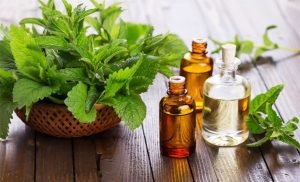
Tea Tree Essential Oil Tea tree oil is often referred to as “medicine cabinet in a bottle,” as it’s ..
-

13 surprising home remedies for acid reflux Before you reach for the heavy-duty, prescription-strength ..
-
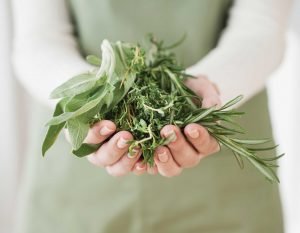
Great Burdock The root is used to treat ‘toxic overload’ that result in throat infections and skin ..