
-
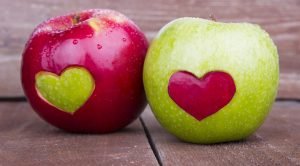
1. Apples Are Nutritious A medium apple is equal to 1.5 cups of fruit. Two cups of fruit daily are recommended ..
-
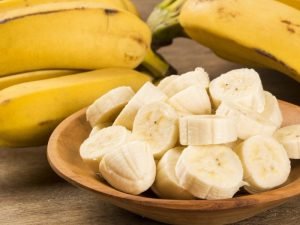
1.Bananas help overcome depression due to high levels of tryptophan, which is converted into serotonin ..
-
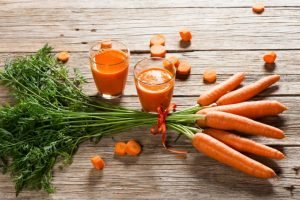
1. Beta carotene: Carrots are a rich source of this powerful antioxidant, which, among other vital uses, ..
-

Tinnitus in the ear can occur due to ear infections, various infections, perforation of the eardrum, ..
-
Comments Off on Pregnancy Calendar – Week 5 of Your Pregnancy
5-week pregnancy “Pregnancy calendar” at week 5: Your baby’s brain is developing. You may feel ..
-
Comments Off on Pregnancy Calendar – Week 4 of Your Pregnancy

4 weeks pregnancy “Pregnancy calendar” at 4th week: A miracle begins! Your baby, now consisting ..
-
The Role of Iron in Preventing Anemia During Pregnancy
Iron is an essential mineral throughout pregnancy because it helps make hemoglobin, the protein in red blood cells that carries oxygen from the lungs to the body. A pregnant person needs enough hemoglobin to support their own tissues while also supplying oxygen to the developing baby through the placenta.
The body’s demand for iron rises during pregnancy. Blood volume expands, the placenta develops, and the baby builds iron stores for the first months after birth. When dietary intake and stored iron cannot meet this increased need, iron-deficiency anemia may develop.
Learning how iron-rich foods, prenatal supplements, absorption habits, and routine blood tests work together can help protect maternal health. Good nutrition is valuable, but suspected anemia should always be evaluated by a qualified healthcare professional rather than treated based on symptoms alone.
Why Pregnancy Increases Iron Needs
During pregnancy, the liquid portion of blood increases substantially. Red blood cell production also rises, although it may not increase at the same pace. This natural change can make blood appear more diluted, but inadequate iron can further limit the production of healthy red blood cells.
Iron is required to create hemoglobin and support cellular energy production. The fetus also draws iron from the pregnant person, especially during the later months, to build its own blood supply and store enough of the mineral for early infancy. This transfer is important because newborns rely partly on stored iron before they consume enough from food.
Most health authorities recommend approximately 27 milligrams of iron daily during pregnancy, compared with about 18 milligrams for nonpregnant women of reproductive age. Individual needs can differ according to diet, laboratory results, multiple pregnancy, previous anemia, blood loss, and medical conditions.
How Iron-Deficiency Anemia Can Affect Health
Iron-deficiency anemia occurs when the body lacks enough iron to produce sufficient hemoglobin. Common symptoms include persistent tiredness, weakness, dizziness, headaches, shortness of breath during ordinary activity, a rapid heartbeat, pale skin, and difficulty concentrating. Some people have few noticeable symptoms, which is why prenatal screening matters.
Pregnancy-related anemia can increase the likelihood of reduced physical stamina and a slower recovery after delivery. More significant anemia has been associated with complications such as preterm birth, low birth weight, and greater vulnerability to blood loss during childbirth. The level of risk depends on the severity, timing, underlying cause, and quality of treatment.
Fatigue is often dismissed as a normal part of pregnancy, but extreme or worsening exhaustion deserves attention. Craving and consuming non-food items, such as ice, clay, or starch, may also be linked with iron deficiency. These signs do not prove anemia, yet they are useful reasons to mention concerns during a prenatal appointment.
Food Sources That Support Healthy Iron Levels
Iron occurs in both animal and plant foods. Heme iron, found in meat, poultry, and seafood, is generally absorbed more efficiently. Lean beef, turkey, chicken, sardines, and well-cooked seafood can contribute meaningful amounts, while liver contains very high levels and is usually avoided or limited during pregnancy because excessive vitamin A can be harmful.
Non-heme iron comes from lentils, beans, chickpeas, tofu, fortified cereals, pumpkin seeds, leafy greens, quinoa, and some dried fruits. People following vegetarian or vegan diets can meet iron needs through careful meal planning, but they may need special attention to portion sizes, food combinations, and supplement guidance.
Vitamin C improves the absorption of non-heme iron. Adding bell peppers, citrus fruit, kiwi, strawberries, tomatoes, or broccoli to an iron-containing meal can be helpful. A lentil salad with tomatoes, beans with peppers, or fortified cereal with berries combines practical sources of iron and vitamin C.
Some foods and beverages can reduce iron absorption when consumed at the same time. Calcium-rich products, tea, coffee, and large amounts of bran may interfere with absorption in certain meals. This does not mean they must be eliminated; spacing them away from iron supplements or the most iron-rich meal may be useful.
Food Choices, Supplements, and Absorption
A prenatal vitamin commonly contains iron, but formulations vary. Some people require an additional iron supplement when blood tests show low ferritin or hemoglobin, while others may experience constipation, nausea, abdominal discomfort, or dark stools from supplemental iron. The appropriate dose should be selected with a prenatal care professional.
Iron supplements are often absorbed best away from meals, but taking them with a small amount of food can reduce stomach upset. Vitamin C may support absorption, whereas antacids and calcium supplements can interfere if taken too closely together. Medication timing should be discussed with a pharmacist or clinician because individual instructions differ.
A balanced eating pattern remains important even when supplements are prescribed. Iron tablets correct or prevent deficiency more reliably than food alone when needs are high, while meals provide protein, folate, vitamin B12, vitamin C, and other nutrients involved in blood formation.
Pregnancy also calls for caution with herbal products. “Natural” does not automatically mean safe, and some herbal ingredients may affect medications, uterine activity, or nutrient absorption. Anyone considering herbal teas for stress during pregnancy should check the ingredients and ask a prenatal professional whether the product is appropriate.
Understanding Prenatal Blood Tests
Routine prenatal care typically includes a complete blood count, which measures hemoglobin, hematocrit, red blood cell size, and other markers. Hemoglobin below the pregnancy-specific reference range may indicate anemia, although diagnostic thresholds can vary by trimester and clinical guideline. The result should be interpreted alongside symptoms and medical history.
Ferritin reflects stored iron and can help identify iron depletion before anemia becomes pronounced. A low ferritin level often supports iron deficiency, while inflammation or infection can make ferritin appear higher than the body’s true iron reserves. Additional testing may be needed when the cause is uncertain.
Anemia is not always caused by low iron. Folate or vitamin B12 deficiency, inherited blood disorders, chronic inflammation, kidney disease, thyroid conditions, and blood loss can produce similar findings. Taking large amounts of iron without confirming the cause may delay appropriate care or create unnecessary side effects.
The following overview shows how common factors relate to iron status during pregnancy:
Factor Why It Matters Practical Consideration Expanding blood volume Increases the need to produce red blood cells Regular prenatal screening helps identify shortages Fetal and placental growth Uses iron for oxygen transport and development Iron-rich meals should appear consistently Heme iron Usually absorbed more efficiently Lean meat and selected seafood can contribute Non-heme iron Absorption varies by meal composition Pair plant sources with vitamin C Tea, coffee, and calcium May reduce iron absorption near intake Separate them from iron supplements when advised Low ferritin or hemoglobin May indicate depleted stores or anemia Follow-up testing can clarify the cause Iron supplements Can prevent or treat deficiency Use the prescribed product and dose Who May Need Extra Monitoring
Some pregnant people have a higher chance of developing iron-deficiency anemia. Risk may increase with heavy menstrual bleeding before pregnancy, a short interval between pregnancies, frequent vomiting, restrictive diets, gastrointestinal conditions, previous bariatric surgery, or a history of anemia.
Carrying twins or higher-order multiples creates greater nutritional demands. Adolescents may also need careful assessment because they are still growing. People who begin pregnancy with low iron stores may become deficient earlier, even when they eat a generally balanced diet.
A history of digestive disease, intestinal surgery, or chronic bleeding can affect iron absorption or cause ongoing iron loss. In these situations, simply increasing iron-rich foods may not be enough. A clinician may recommend earlier blood tests, a different supplement, or investigation of another medical problem.
Seek prompt medical care for fainting, chest pain, severe breathlessness, a racing heartbeat at rest, heavy bleeding, or profound weakness. These symptoms can have causes that require urgent assessment and should not be attributed to ordinary pregnancy fatigue.
Practical Habits for Maintaining Iron Intake
Small, consistent choices can make it easier to meet increased iron needs. Planning meals around a source of iron, adding vitamin C, and following supplement instructions can support healthy blood production without making the diet unnecessarily complicated.
Useful habits include:
- Include beans, lentils, tofu, fortified grains, lean meat, poultry, or cooked seafood regularly.
- Combine plant-based iron with vitamin C foods such as peppers, citrus, tomatoes, or berries.
- Take prenatal iron exactly as directed and report persistent nausea or constipation.
- Keep tea, coffee, and calcium supplements separate from iron doses when advised.
- Attend recommended blood tests and discuss unusual fatigue, dizziness, or cravings.
It can help to prepare iron-containing foods in batches, such as lentil soup, bean chili, lean meat dishes, or fortified breakfast grains. Pairing these foods with vegetables or fruit improves the overall nutrient profile and may increase non-heme iron absorption.
Dietary routines should remain flexible. If morning sickness limits food choices, temporarily focusing on tolerated iron-containing foods and discussing alternative supplements may be more realistic than forcing large meals. The goal is steady nourishment and timely professional support.
Build Iron Into Everyday Prenatal Care
Preventing anemia during pregnancy involves more than one food or supplement. A combination of iron-rich meals, vitamin C, appropriate prenatal care, laboratory monitoring, and individualized treatment gives the body the best opportunity to maintain adequate hemoglobin and iron stores.
Make iron a regular part of prenatal planning by reviewing your diet and supplement with your healthcare professional, completing recommended blood tests, and reporting symptoms early. Timely guidance can protect energy, support fetal development, and help prepare the body for delivery and recovery.
-
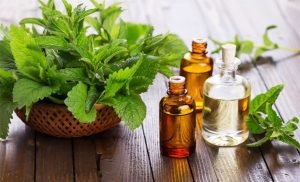
Tea Tree Essential Oil Tea tree oil is often referred to as “medicine cabinet in a bottle,” as it’s ..
-

13 surprising home remedies for acid reflux Before you reach for the heavy-duty, prescription-strength ..
-
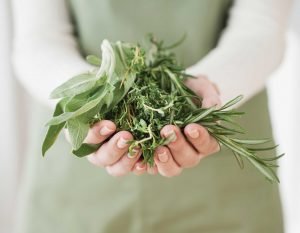
Great Burdock The root is used to treat ‘toxic overload’ that result in throat infections and skin ..