
-

1. Apples Are Nutritious A medium apple is equal to 1.5 cups of fruit. Two cups of fruit daily are recommended ..
-
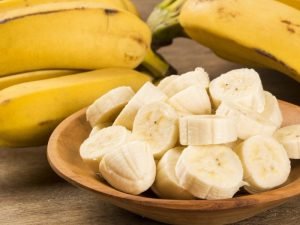
1.Bananas help overcome depression due to high levels of tryptophan, which is converted into serotonin ..
-
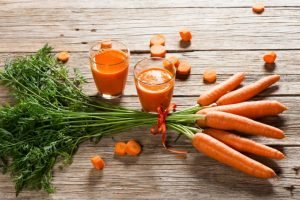
1. Beta carotene: Carrots are a rich source of this powerful antioxidant, which, among other vital uses, ..
-

Tinnitus in the ear can occur due to ear infections, various infections, perforation of the eardrum, ..
-
Comments Off on Pregnancy Calendar – Week 5 of Your Pregnancy

5-week pregnancy “Pregnancy calendar” at week 5: Your baby’s brain is developing. You may feel ..
-
Comments Off on Pregnancy Calendar – Week 4 of Your Pregnancy

4 weeks pregnancy “Pregnancy calendar” at 4th week: A miracle begins! Your baby, now consisting ..
-
How to Use Turmeric for Joint Pain and Inflammation
Turmeric is a bright yellow spice used in many Indian and Southeast Asian dishes, and it has also become a popular home remedy for sore joints. Its best-known active compound, curcumin, may influence several biological pathways involved in inflammation. This has led to interest in turmeric for osteoarthritis, exercise-related aches, and other forms of joint discomfort.
Using turmeric safely requires more thought than simply adding a large amount to food. The type of product, the amount of curcumin it contains, how it is absorbed, and your existing medicines all matter. Turmeric may offer modest symptom relief for some people, but it should complement—not replace—medical care for persistent or severe pain.
How Turmeric May Affect Joint Inflammation
Inflammation is part of the body’s normal response to injury or infection, but ongoing low-grade inflammation can contribute to swelling, stiffness, and pain. Curcumin has antioxidant and anti-inflammatory properties in laboratory research. It appears to affect signalling molecules involved in the inflammatory response, including pathways associated with cytokines and enzymes that help produce inflammatory compounds.
Small clinical studies have examined curcumin supplements in people with knee osteoarthritis and similar conditions. Some participants reported less pain and improved movement, although the results are mixed and the studies often involve relatively small groups. Turmeric is therefore best viewed as a possible supportive option rather than a proven cure for arthritis or damaged joints.
Research also differs substantially between products. One capsule may contain a concentrated curcumin extract, while another may contain ordinary turmeric powder with a much lower amount of active compounds. Formulations can include piperine, an extract from black pepper, or special delivery systems designed to improve absorption. A result from one product cannot automatically be applied to every turmeric supplement on a chemist shelf.
Food, Drinks, And Supplement Forms
Adding turmeric to meals is generally the gentlest way to include it in your routine. Stir a small amount into lentil soup, vegetable curry, scrambled eggs, roasted cauliflower, rice, or a warm milk drink. Black pepper and a source of fat, such as olive oil, avocado, yoghurt, or coconut milk, are often paired with turmeric because curcumin is poorly absorbed on its own. These combinations may help somewhat, although the amount absorbed from a normal serving is still modest.
A turmeric drink can be made with warm milk or a fortified plant-based alternative, turmeric powder, cinnamon, and a little ginger. Keep the flavour balanced rather than treating the drink as a concentrated medicinal dose. Turmeric tea is another option, but it should not be assumed to provide the same amount of curcumin as a standardised extract.
Supplements may be more consistent than culinary turmeric, but they also carry greater potential for side effects and interactions. Follow the product label and avoid taking several turmeric or curcumin products at once. Choose a reputable Australian product that lists the ingredients and curcumin content clearly. Complementary medicines sold in Australia are regulated by the Therapeutic Goods Administration, although “listed” status does not mean a product will work for every person or condition.
For many people, food-based use is a sensible starting point. If you are considering a concentrated supplement for ongoing joint pain, discuss the product with a GP, pharmacist, or accredited practising dietitian. This is especially important if you live with several health conditions or take regular medicines.
Practical Ways To Use It For Sore Joints
Consistency matters more than taking a large dose occasionally. If you use turmeric in cooking, include it in ordinary meals several times a week and observe whether your symptoms change over a few weeks. Keep a simple note of pain, morning stiffness, swelling, walking ability, and any stomach symptoms. This can help distinguish a genuine pattern from normal day-to-day variation.
People with knee or hip discomfort may combine a balanced eating pattern with low-impact movement. Gentle strengthening, swimming, cycling, and water exercise can support joint function without placing the same load on painful joints as running or repeated jumping. In Brisbane or Perth, an early morning walk may be more comfortable than exercising in the midday heat. Someone who enjoys weekend bushwalking near the Dandenong Ranges or the Blue Mountains may need to increase activity gradually, particularly after a flare.
Adequate fluids also support general wellbeing, especially during warm weather or longer activity. If sweating has been heavy, ordinary water and regular meals are often enough, while prolonged exercise or gastrointestinal illness may require a more considered approach; these rehydration drink tips explain one homemade option. Hydration will not directly treat arthritis, but dehydration can make fatigue and exercise tolerance worse.
Turmeric works best as one part of a wider plan. Healthy body weight, sufficient protein, vegetables, fruit, whole grains, sleep, and physiotherapy may have a larger practical effect on mobility than a single supplement. Heat packs can ease stiffness, while a cold pack may be useful after activity if a joint feels warm or swollen. Protect the skin by wrapping either pack in a cloth and limiting each application to a short period.
Safety, Side Effects, And Medicine Interactions
Food amounts of turmeric are usually well tolerated, but concentrated products can cause indigestion, nausea, loose stools, or abdominal discomfort. Stop using a supplement and seek medical advice if you develop yellowing of the skin or eyes, unusually dark urine, severe fatigue, or persistent abdominal pain. Rare cases of liver injury have been reported with some turmeric or curcumin products, particularly concentrated formulations.
Turmeric may affect blood clotting. Speak with a doctor or pharmacist before using a supplement if you take warfarin, apixaban, rivaroxaban, aspirin, clopidogrel, or another medicine that reduces clotting. Extra caution is sensible before surgery or dental procedures. It may also be unsuitable for some people with gallstones, bile duct obstruction, significant liver disease, or a history of kidney stones, depending on the product and amount.
Interactions are not limited to blood thinners. Anyone taking regular medicines for diabetes, reflux, blood pressure, or other chronic conditions should check before starting high-dose curcumin. Piperine-containing products can alter the way the body handles some medicines, potentially changing their effects. A pharmacist can review the exact brand, ingredients, and dose rather than giving advice based only on the word “turmeric”.
Pregnant and breastfeeding people should use culinary turmeric as a food ingredient rather than beginning a concentrated supplement without professional advice. The same applies to children and teenagers. When buying from an Australian chemist, health-food shop, or online retailer, check the label for the Australian Register of Therapeutic Goods number, dose instructions, warnings, and contact details for the sponsor. Avoid products making dramatic claims such as reversing arthritis or repairing cartilage.
When Joint Pain Needs Medical Attention
Turmeric should not delay an assessment when pain is new, intense, or progressively worsening. Seek prompt medical care for a joint that is suddenly very swollen, red, hot, or difficult to move, especially if you also have a fever. These symptoms can occur with infection or gout and require appropriate treatment rather than a home remedy. A serious injury, visible deformity, or inability to put weight on a limb also warrants urgent attention.
Arrange an appointment with a GP if joint pain continues for several weeks, repeatedly disrupts sleep, or limits work and everyday activities. In Australia, a GP can assess the pattern of symptoms and arrange imaging or blood tests when appropriate. They may also refer you to a physiotherapist, rheumatologist, or other practitioner. Medicare eligibility and referral pathways vary, so check the arrangements that apply to your care.
Pain in several joints, prolonged morning stiffness, unexplained weight loss, skin rashes, psoriasis, eye inflammation, or persistent fatigue can point to an inflammatory condition that needs investigation. Osteoarthritis, rheumatoid arthritis, gout, bursitis, tendon problems, and nerve pain can feel different and are not managed in exactly the same way. Identifying the cause is more valuable than simply masking symptoms.
If you decide to try turmeric, tell your healthcare professional what form you are using, how much, and how often. Bring the container or a photograph of the label to an appointment or pharmacy consultation. Used thoughtfully, turmeric can add flavour to a nourishing diet and may provide modest support for joint comfort, while proper diagnosis, movement, and evidence-based treatment remain central to managing pain and inflammation.
-
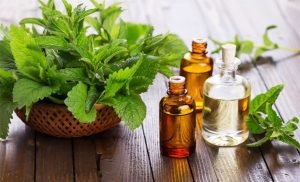
Tea Tree Essential Oil Tea tree oil is often referred to as “medicine cabinet in a bottle,” as it’s ..
-

13 surprising home remedies for acid reflux Before you reach for the heavy-duty, prescription-strength ..
-
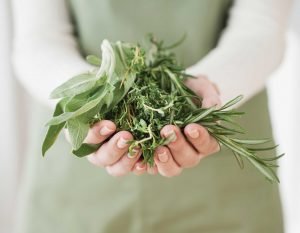
Great Burdock The root is used to treat ‘toxic overload’ that result in throat infections and skin ..