
-

1. Apples Are Nutritious A medium apple is equal to 1.5 cups of fruit. Two cups of fruit daily are recommended ..
-

1.Bananas help overcome depression due to high levels of tryptophan, which is converted into serotonin ..
-

1. Beta carotene: Carrots are a rich source of this powerful antioxidant, which, among other vital uses, ..
-

Tinnitus in the ear can occur due to ear infections, various infections, perforation of the eardrum, ..
-
Comments Off on Pregnancy Calendar – Week 5 of Your Pregnancy

5-week pregnancy “Pregnancy calendar” at week 5: Your baby’s brain is developing. You may feel ..
-
Comments Off on Pregnancy Calendar – Week 4 of Your Pregnancy

4 weeks pregnancy “Pregnancy calendar” at 4th week: A miracle begins! Your baby, now consisting ..
-

Natural remedies for reducing under-eye puffiness and dark circles
Waking up with puffy eyes or stubborn dark shadows is something most people deal with at some point. The thin skin around the eyes shows every late night, salty meal or bout of hay fever. For many Australians, strong UV exposure, dry indoor heating in winter and long screen hours make the under-eye area especially prone to looking tired. The good news is that several gentle, plant-based approaches can soften both puffiness and discolouration without resorting to expensive clinical procedures.
Under-eye puffiness happens when fluid pools in the delicate tissue surrounding the eye, often made worse by gravity after lying flat all night. Dark circles can come from a mix of factors including thinner skin showing blood vessels beneath, genetics, pigmentation and lifestyle. Treating them well means addressing both swelling and underlying colour, which is where natural remedies shine because they work on circulation, inflammation and skin quality at the same time.
Australians are particularly tuned in to natural health solutions, partly because the country has such a rich botanical heritage. Native ingredients like Kakadu plum, finger lime and lemon myrtle have been studied for their antioxidant content, while everyday kitchen staples such as cucumber, green tea and potatoes have a long history in folk skincare. Many chemists across the country, from Priceline to local pharmacies in regional towns, now stock dedicated eye creams built around these gentle ingredients, making them easy to find from Bondi to Broome.
Before reaching for concealer, it helps to understand which remedy targets which problem. Some reduce fluid retention, others brighten the skin tone, and a few strengthen the fragile capillaries that contribute to that bluish-purple shadow. The rest of this article walks through the most reliable options, drawn from traditional use and current research, so you can build a routine that fits your skin, your budget and your local climate.
What actually causes under-eye puffiness and dark circles
The skin under the eyes is the thinnest on the body, measuring around half a millimetre. Because it's so delicate, anything affecting circulation, hydration or inflammation shows up almost immediately. Common triggers include salty food the night before, alcohol, crying, allergies and sinus congestion. The body's response is to send extra fluid to the area, which gets trapped because the tissue is so loose.
Dark circles have several overlapping causes. For some, it's a hereditary feature where the skin is naturally thinner or where melanin deposits sit more densely in that area. For others, the shadow comes from poor lymphatic drainage, broken capillaries or the natural hollowing of the under-eye area as the face ages. Australians with olive or deeper skin tones often experience brownish pigmentation rather than a bluish tint, which responds differently to treatment.
Lifestyle factors amplify both issues. Australia's high UV index means sun damage accumulates faster around the eyes. Sleep position matters too, with lying flat allowing fluid to settle while a slight elevation helps it drain. Dehydration, common during summer heat or after a long arvo at the beach, makes the under-eye area look drawn and sunken, casting a deeper shadow.
Hydration and the role of diet from the inside out
Drinking enough water is the simplest under-eye remedy, and yet it's the one most often overlooked. When the body senses dehydration, it holds onto fluid as a survival response, which paradoxically makes puffiness worse. Sipping water steadily through the day helps the lymphatic system flush properly and keeps the skin plump enough to reflect light rather than cast a shadow.
Salt is the biggest dietary culprit for under-eye swelling. A classic Aussie pub meal of fish and chips or a weekend barbie with processed snags can leave people waking up with noticeably puffier eyes the next morning. Cutting back on added salt, reading labels on bread and sauces, and cooking from scratch when possible makes a real difference within a week or two.
Potassium-rich foods help counterbalance sodium and encourage fluid release. Bananas, avocados, sweet potatoes and leafy greens are good sources. Antioxidants matter too, because they protect the fragile capillaries under the eyes from oxidative stress. Vitamin C from berries, kiwifruit and capsicum supports collagen production, while vitamin K from leafy greens has been studied for reducing visible bruising. For Australians wanting to boost their intake of antioxidant-rich produce, broccoli and cauliflower are an easy everyday option that supports skin repair from within.
Cooling techniques that bring fast relief
Cold is one of the oldest and most reliable ways to reduce puffiness quickly. The chill causes blood vessels to constrict, which reduces swelling and gives the area a tighter, brighter appearance. A pair of cooled teaspoons, a refrigerated gel mask or a bag of frozen peas wrapped in a soft cloth can all do the job in under ten minutes. The key is gentle pressure rather than pressing hard, since the skin is so delicate.
Chilled cucumber slices remain popular for good reason. Cucumbers are about 95 percent water and contain ascorbic acid and caffeic acid, both of which help soothe irritated skin. Cutting thick rounds, refrigerating them for at least thirty minutes and lying back with them over closed eyes for ten minutes is a classic remedy that has stood the test of time. Many Australian day spas in places like the Mornington Peninsula and Byron Bay still include this step in their facials.
Green tea bags are another easy cooling treatment. After brewing, the used bags can be cooled in the fridge and placed over the eyes for around fifteen minutes. The tannins in green tea have a mild astringent effect that tightens the skin, while the caffeine content helps constrict blood vessels. Storing an eye cream in the fridge adds a similar cooling boost every morning, helping active ingredients penetrate better when the skin is slightly contracted.
Botanical ingredients from the kitchen and garden
Australians have access to some exceptional native botanicals that work well on the under-eye area. Kakadu plum, the world's richest natural source of vitamin C, has been used by Indigenous communities for centuries and now appears in eye creams across the country. Its antioxidant power helps brighten discolouration while supporting collagen production around the eye socket.
Aloe vera is another gentle option, especially for people whose dark circles come with irritation. The gel from a freshly cut leaf, applied cool, calms inflammation and hydrates without clogging. Most Australians either grow aloe on a sunny windowsill or pick up a tube from the supermarket. Raw potato also works surprisingly well for shadows, because it contains catecholase, an enzyme that can lighten pigmentation when applied topically.
Rosehip oil, rose water and chamomile are other gentle botanical choices for sensitive under-eye skin. Rosehip oil is rich in vitamin A and essential fatty acids that support skin regeneration, while chamomile tea bags cooled in the fridge double as a calming compress. Witch hazel, sold widely in Australian chemists, is similarly astringent and can be applied with a cotton pad in the same way.
Sleep, sleep position and lifestyle adjustments
Sleep is when the body repairs itself, and the under-eye area reflects sleep quality almost immediately. Australians juggling long work commutes, school runs and active social lives often accumulate a sleep debt that shows up in their faces first. Aiming for a consistent bedtime, limiting screen use before sleep and keeping the bedroom cool all help the body enter deeper restorative cycles where lymphatic drainage works most efficiently.
The position you sleep in matters more than most people realise. Lying completely flat allows fluid to pool around the eyes, so adding an extra pillow or sleeping on a slight incline encourages drainage toward the heart. Sleeping on your back rather than your side or stomach also helps, because side-sleepers often wake with one eye noticeably puffier than the other from pressure on that side of the face.
Managing allergies is another lifestyle lever, particularly for people in coastal regions or rural areas where pollen counts can be high. Antihistamines, saline nasal sprays and keeping windows closed during peak pollen times reduce the sinus congestion that often shows up as morning puffiness. Alcohol and cigarettes both damage the capillaries under the eyes and slow lymphatic flow, so reducing alcohol intake and quitting smoking produces visible improvements in skin tone within weeks.
Skincare ingredients that genuinely deliver
Not every active ingredient in eye creams is worth the price tag, but a handful have solid research behind them. Retinol, a derivative of vitamin A, speeds up cell turnover and can gradually thicken the thin under-eye skin so that blood vessels show through less. It needs to be introduced slowly to avoid irritation, usually starting at a low concentration two or three nights a week.
Vitamin C serums brighten pigmentation by interfering with melanin production and neutralising free radicals. Look for stable forms like ascorbic acid or magnesium ascorbyl phosphate, and store the bottle away from direct sunlight because Australian light can degrade active ingredients quickly. Brands like Rationale, Aspect and Ultraceuticals, all developed locally, are formulated with Australian conditions in mind.
Hyaluronic acid holds up to a thousand times its weight in water, which makes it ideal for plumping the under-eye area and reducing the hollow look that casts shadows. A serum layered under a richer moisturiser traps moisture in the skin. Caffeine-based eye creams deserve their popularity, with topical caffeine constricting blood vessels for a temporary tightening effect. Australian brands such as Sukin and Aesop include caffeine alongside other soothing botanicals to create well-rounded formulas.
When home remedies aren't enough
Sometimes natural approaches and lifestyle changes plateau, and that's perfectly normal. If puffiness is consistently present, painful or comes with redness and itching, it's worth checking in with a GP or dermatologist to rule out underlying issues such as thyroid problems, kidney concerns, eczema or chronic sinus infection. Skin cancers, including melanoma, can also appear in the delicate eye area, and any new mole or lesion should be assessed quickly.
For persistent pigmentation, especially in people with darker skin tones, treatments like prescription lightening creams, chemical peels or laser therapy may be more effective than topical botanicals alone. These are best discussed with a qualified practitioner, and Australians can access dermatologist referrals through their GP or through direct booking at private clinics in capital cities.
Filler injections using hyaluronic acid can restore volume to hollow tear troughs, which physically removes the shadow rather than just lightening the skin. This is a clinical procedure with real risks, so it should only be done by an experienced practitioner who can show a portfolio of previous work. The most sustainable approach for most people remains a layered one, combining internal support through hydration, sensible eating and quality sleep with external care using cooling treatments, gentle botanicals and well-chosen active ingredients. Consistency matters far more than any single product, with rewards building quietly over weeks and months.
-
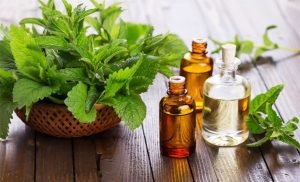
Tea Tree Essential Oil Tea tree oil is often referred to as “medicine cabinet in a bottle,” as it’s ..
-

13 surprising home remedies for acid reflux Before you reach for the heavy-duty, prescription-strength ..
-

Great Burdock The root is used to treat ‘toxic overload’ that result in throat infections and skin ..