
-

1. Apples Are Nutritious A medium apple is equal to 1.5 cups of fruit. Two cups of fruit daily are recommended ..
-
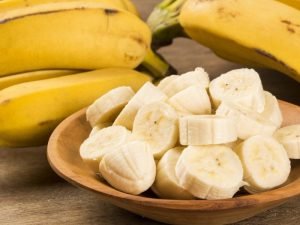
1.Bananas help overcome depression due to high levels of tryptophan, which is converted into serotonin ..
-

1. Beta carotene: Carrots are a rich source of this powerful antioxidant, which, among other vital uses, ..
-

Tinnitus in the ear can occur due to ear infections, various infections, perforation of the eardrum, ..
-
Comments Off on Pregnancy Calendar – Week 5 of Your Pregnancy

5-week pregnancy “Pregnancy calendar” at week 5: Your baby’s brain is developing. You may feel ..
-
Comments Off on Pregnancy Calendar – Week 4 of Your Pregnancy

4 weeks pregnancy “Pregnancy calendar” at 4th week: A miracle begins! Your baby, now consisting ..
-

Hydration and overhydration: why balance matters
Hydration describes the balance between the water your body gains from drinks and food and the water it loses through urine, sweat, breath and faeces. It supports blood volume, temperature control, digestion and the movement of nutrients. Being hydrated does not require a fixed number of glasses, because fluid needs shift with meals, activity, weather, age, pregnancy, illness and the amount of water contained in food.
The difference between hydration and overhydration is not that one is good and the other is simply bad. Adequate hydration keeps body fluids within a normal range. Overhydration occurs when water retention or intake outpaces the kidneys’ ability to excrete the surplus, often diluting sodium in the blood. This condition is called hyponatraemia, and it can develop after a large amount of plain water is consumed over a short period, even in an otherwise healthy person.
For most healthy adults, thirst and regular meals provide a dependable guide to fluid needs. That margin narrows during prolonged exercise in hot weather, with heavy sweating, in older age, or when kidney, heart or liver disease or certain medicines alter fluid balance. The practical goal is steady, appropriate intake rather than maximising water, because forcing extra litres can be as unhelpful as failing to replace losses.
How the body balances fluid
The kidneys are the body’s main fluid regulator, working with the hypothalamus and pituitary gland to control water and sodium balance. When the blood becomes slightly more concentrated, the brain releases antidiuretic hormone, or ADH. The kidneys then retain more water and produce a smaller volume of more concentrated urine. When fluid intake is generous and the blood becomes diluted, ADH falls and the kidneys excrete more dilute urine.
Fluid also leaves through the skin, lungs and digestive tract. Sweat contains water and electrolytes, with losses rising sharply during exercise or hot work. A cool day at a desk usually produces far less sweat than an afternoon shift outdoors in Brisbane, yet an office worker may still lose water through ordinary breathing and meals. The body continually replaces these small losses, which is why hydration is a daily process rather than a single event.
The familiar target of eight glasses a day is only a rough prompt and does not apply equally to everyone. A tall adult, a small adult and a person exercising for two hours have different requirements. Food contributes substantially to fluid intake, particularly through fruit, vegetables, milk, soups and yoghurt. Pale yellow urine offers a rough indication of reasonable hydration for many people, although vitamins, medicines and some medical conditions can change its colour.
Why excess water becomes a problem
Healthy kidneys normally excrete surplus water efficiently, but they have limits. Drinking several litres rapidly can temporarily deliver more water than the kidneys can remove. Sodium, which helps maintain fluid balance between cells and the bloodstream, becomes diluted. In a short endurance event, repeated sips based on a rigid schedule can contribute to exercise-associated hyponatraemia, particularly when heavy sweating has also caused sodium loss.
Overdrinking is often linked to good intentions rather than thirst. Some people try to “keep the kidneys flushed”, follow an app that demands a daily target, or drink bottle after bottle to meet a challenge. Hot weather, saunas, long shifts and repeated vomiting can distort thirst cues. People with kidney, heart or liver conditions may retain fluid, while medicines such as lithium, some diuretics and certain antidepressants can interfere with the body’s water-control systems.
A bout of bloating after a large drink is not, by itself, proof of hyponatraemia. Sodium can fall without dramatic symptoms, and symptoms can also result from dehydration, heat illness, low blood sugar or other conditions. The important distinction is that more water is not always the answer to every fluid complaint. Persistent discomfort, unusual thirst or a change in urine output deserves assessment rather than an attempt to fix it by drinking more.
Signs of dehydration and hyponatraemia
Common signs of mild dehydration include thirst, dry lips, dark urine, reduced urination, tiredness, headache, dizziness and constipation. It can develop during vomiting or diarrhoea, fever, hot-weather work, travel and prolonged exercise. Most mild cases improve with ordinary water, regular meals and rest. Oral rehydration products can be useful when fluid losses continue, while an older person, young child or someone with heart or kidney disease may need tailored advice.
Early hyponatraemia may cause headache, nausea, abdominal discomfort, lethargy, muscle cramps or a bloated feeling. As sodium falls further, confusion, marked drowsiness, repeated vomiting, loss of coordination, seizures or unconsciousness can occur. Blood sodium below 135 mmol/L is one laboratory feature used to diagnose hyponatraemia, but symptoms and the clinical situation matter. A home water bottle cannot reveal the blood sodium level.
Confusion, a seizure, unconsciousness or severe drowsiness after drinking a large amount of water is an emergency. Call 000 in Australia and describe the fluid intake, the time it began and any associated symptoms. Do not wait for the symptoms to settle, and do not try to correct suspected hyponatraemia with salt tablets, sports drinks or more water. Severe hyponatraemia can cause brain swelling and requires controlled medical treatment. The same urgency applies during exercise if a person becomes confused, vomits repeatedly or cannot stop drinking despite severe fullness.
Fluid choices in everyday Australian life
Australian cities can present very different fluid needs. Brisbane’s humid summers make sweating feel substantial even on relatively light days, while Perth can reach extreme daytime temperatures in a dry environment. Sydney combines warm, humid weather with air-conditioned offices and trains, and Melbourne may shift from hot afternoons to dry, cool evenings. Workers moving between these environments can lose water quickly and may underestimate it because the air-conditioned break feels comfortable. The Australian and New Zealand Nutrient Reference Values give adequate intakes for total water of 3.4 litres a day for men aged 19 to 50 and 2.3 litres for women aged 19 to 70, including fluid from food and every drink. These are population guides, not targets every adult must meet.
Everyday habits matter too. A commuter in Melbourne who starts the day with coffee, works in an air-conditioned office and eats a takeaway lunch may have a low fluid intake if water is easy to forget. A refillable bottle makes intake visible. Moderate caffeine-containing drinks count towards fluid intake, and habitual coffee or tea drinkers should not assume caffeine automatically cancels hydration.
The Australian supermarket market offers still and sparkling water, bottled mineral water, sports drinks, coconut water, electrolyte powders and energy drinks, often marketed as solutions to different goals. For routine hydration, water and unsweetened milk are strong choices, while frequent sugar-sweetened drinks add substantial free sugar. Sports drinks and electrolyte products can suit repeated, prolonged exercise or heavy sweat losses, but they are usually unnecessary for a normal day and may contribute excess sugar or sodium. Athletes should match a product to the duration and intensity of activity.
Public drinking water is regulated through a combination of national guidance and state and territory legislation. The National Primary Drinking Water Standards provide the framework, and local water authorities monitor treatment and suppliers against enforceable requirements. Food Standards Australia New Zealand also regulates packaged drinking water sold nationally. On rural properties, farms and in some remote communities, tank, bore or trucked water may be used, so local testing and advice are important because source chemistry varies. Checking with the relevant council or water authority is more useful than assuming every clear-looking source is equally suitable.
Exercise, heat and changing needs
The Australian Institute of Sport generally recommends drinking to thirst for most exercise rather than forcing a set volume, because the body’s thirst response usually keeps fluid loss and intake reasonably aligned. Planning becomes more important for events lasting many hours, repeated sessions in hot conditions or occupations involving heavy protective equipment. In Brisbane summer cricket, for example, a player can sweat through several uniform changes in one day, while a spectator sitting in the shade has very different needs.
During a long or hot session, drink according to thirst and take fluids with meals or regular breaks. A useful warning sign is body-mass gain during exercise, which can indicate that more fluid is entering than is being lost. Very pale or frequent urination alongside nausea, headache or bloating also deserves attention. Replacing large sweat losses later generally requires water and ordinary food, with additional electrolytes when losses have been especially heavy or prolonged.
Life stages and medical conditions can alter the balance. Pregnancy increases fluid requirements during hot weather, while nausea, vomiting and fever can create losses; infants and older adults need particular support because thirst may be less reliable. Nutrition during pregnancy also involves nutrients beyond water, and this guide to iron in pregnancy explains why iron stores and anaemia require specific attention. Heart failure, kidney disease and liver disease may require prescribed fluid limits, while diuretics, lithium and some other medicines should never be stopped or adjusted without the prescriber’s advice.
A practical routine for balanced hydration
Build fluid intake around ordinary signs rather than an ambitious number. Drink with meals when thirsty, keep water accessible during work and travel, and notice changes in urine colour or thirst across a normal day. In hot Australian weather, carry a bottle and take small, regular drinks, particularly on work sites or during travel. Eating fruit and vegetables adds both fluid and electrolytes, while milk and other unsweetened drinks can contribute without the sugar load of sweetened beverages.
During exercise, use thirst as the main guide for most sessions and prepare for unusually long or hot conditions in advance. Know how much you usually sweat, notice whether your weight changes during a session and avoid trying to “stay ahead” of every possible loss. After major sweat losses, replace fluids gradually with food and fluids; very salty or heavily sweetened products are not automatically the best recovery option.
Most fluid problems can be managed with consistency and sensible choices, but the boundary between too little and too much can become unsafe quickly in some people. Seek medical advice for persistent thirst, recurrent dehydration, swelling or urine changes. Confusion, a seizure, unconsciousness or repeated vomiting after heavy fluid intake requires urgent help; call 000. The central skill is enough water to meet normal losses without treating extra water as a permanent upgrade.
-

Tea Tree Essential Oil Tea tree oil is often referred to as “medicine cabinet in a bottle,” as it’s ..
-

13 surprising home remedies for acid reflux Before you reach for the heavy-duty, prescription-strength ..
-

Great Burdock The root is used to treat ‘toxic overload’ that result in throat infections and skin ..