
-

1. Apples Are Nutritious A medium apple is equal to 1.5 cups of fruit. Two cups of fruit daily are recommended ..
-

1.Bananas help overcome depression due to high levels of tryptophan, which is converted into serotonin ..
-
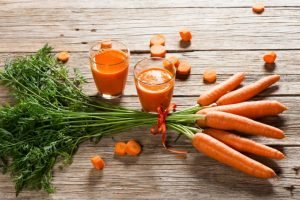
1. Beta carotene: Carrots are a rich source of this powerful antioxidant, which, among other vital uses, ..
-

Tinnitus in the ear can occur due to ear infections, various infections, perforation of the eardrum, ..
-
Comments Off on Pregnancy Calendar – Week 5 of Your Pregnancy

5-week pregnancy “Pregnancy calendar” at week 5: Your baby’s brain is developing. You may feel ..
-
Comments Off on Pregnancy Calendar – Week 4 of Your Pregnancy

4 weeks pregnancy “Pregnancy calendar” at 4th week: A miracle begins! Your baby, now consisting ..
-

The link between gut health and clear skin: what to eat
Clear skin is shaped by more than cleansers, serums, and genetics. The digestive tract, immune system, hormones, sleep quality, and daily diet can all influence how the skin looks and behaves. Research into the gut-skin axis suggests that communication between intestinal microbes and the skin may affect inflammation, oil production, barrier function, and the severity of some skin conditions.
The gut microbiome contains trillions of microorganisms that help digest food, produce useful compounds, and regulate immune activity. When this ecosystem is supported by a varied, fiber-rich diet, it may help the body manage inflammation more effectively. This does not mean that one food can cure acne or that every blemish begins in the gut, but eating patterns can be an important part of a broader skin-care routine.
A practical approach is to focus on whole foods that nourish beneficial bacteria and provide nutrients for skin repair. Adding foods gradually is usually more sustainable than following a restrictive “detox” plan. People with persistent acne, rosacea, eczema, severe bloating, or suspected food intolerance should also seek individualized advice from a qualified healthcare professional.
How the gut and skin communicate
The gut and skin are connected through immune, hormonal, and metabolic pathways. The intestinal microbiome produces substances such as short-chain fatty acids when it breaks down certain types of fiber. These compounds may support the intestinal barrier and help regulate immune responses throughout the body.
A balanced gut environment can help keep the intestinal lining functioning properly. When digestion, immunity, or the microbiome is disturbed, inflammatory signals may increase in some people. This can potentially affect skin conditions that are already influenced by inflammation, including acne, eczema, and psoriasis.
The relationship is complex and works in both directions. Stress, poor sleep, illness, and skin inflammation may also influence digestion and gut bacteria. Clear skin therefore depends on a collection of habits rather than a single “miracle” ingredient. A nutrient-dense eating pattern, regular movement, sufficient sleep, and appropriate dermatological care are more dependable than extreme dietary rules.
Fiber-rich foods for a healthier microbiome
Fiber is one of the most useful nutrients for supporting beneficial intestinal bacteria. It passes through part of the digestive tract without being fully broken down, giving microbes material to ferment. Beans, lentils, oats, barley, berries, apples, pears, leafy greens, carrots, sweet potatoes, and seeds can all contribute to a diverse fiber intake.
Different fibers nourish different microbial species, so variety matters. A bowl of oats with berries provides soluble fiber, while a lentil salad with vegetables supplies additional fermentable carbohydrates and plant compounds. Garlic, onions, leeks, asparagus, and slightly green bananas contain prebiotic fibers that may encourage the growth of helpful bacteria.
Increase fiber slowly if your current diet is low in it. A sudden large increase may lead to gas, cramping, or bloating, especially for people with irritable bowel syndrome. Drinking enough water and spreading high-fiber foods across meals can make the transition more comfortable. If certain foods repeatedly trigger symptoms, a registered dietitian can help identify suitable alternatives without unnecessarily restricting the diet.
Fermented foods and skin-supporting nutrients
Fermented foods can provide live microorganisms, although the amount and type vary by product. Plain yogurt with active cultures, kefir, sauerkraut, kimchi, miso, tempeh, and some fermented pickles may complement a diverse diet. Choose options with little added sugar and check labels, since heat processing can reduce the number of living cultures in some products.
Probiotic foods are not guaranteed to improve acne, and supplements are not suitable for everyone. Still, fermented foods can be useful sources of protein, calcium, and other nutrients. Introduce one serving at a time and observe how your body responds, particularly if you are sensitive to lactose, histamine, or spicy ingredients.
Skin also needs a steady supply of vitamins, minerals, and healthy fats. Vitamin C from citrus, kiwi, bell peppers, broccoli, and strawberries supports collagen formation and antioxidant protection. Vitamin E from almonds, sunflower seeds, avocado, and olive oil helps protect cells from oxidative stress. Zinc, found in beans, pumpkin seeds, eggs, seafood, and meat, contributes to normal immune function and wound healing.
Omega-3 fats from salmon, sardines, trout, walnuts, chia seeds, and ground flaxseed may help support a balanced inflammatory response. Orange and dark-green vegetables provide carotenoids, which the body can use in vitamin A pathways. Obtaining these nutrients from food is generally preferable to taking high-dose supplements, since excessive amounts of certain supplements can cause harm.
Food or food group Gut-supporting role Skin-related nutrients Easy ways to include it Oats and barley Provide fermentable fiber and beta-glucans Zinc and antioxidant compounds Breakfast porridge, grain bowls, soups Lentils and beans Feed beneficial bacteria with fiber Protein, iron, folate, zinc Salads, stews, hummus Yogurt or kefir May provide live cultures Protein, calcium, vitamin B12 With fruit, oats, or seeds Berries and kiwi Supply fiber and plant antioxidants Vitamin C and polyphenols Snacks, smoothies, yogurt toppings Salmon and sardines Provide anti-inflammatory omega-3 fats Protein, vitamin D, selenium Baked with vegetables Nuts and seeds Support microbial diversity through fiber Vitamin E, zinc, healthy fats Added to salads, porridge, or snacks Leafy and colorful vegetables Add diverse fibers and polyphenols Vitamins C, A-related carotenoids, folate Stir-fries, soups, roasted side dishes Foods that may worsen breakouts for some people
Dietary triggers differ from person to person, but foods that rapidly raise blood glucose may be relevant for some individuals with acne. Sugary drinks, sweets, refined breakfast cereals, white bread, and highly processed snack foods can produce sharp blood sugar changes. These shifts may influence insulin-related pathways that affect oil production and inflammation.
This does not mean every carbohydrate is harmful. Whole grains, beans, fruit, and starchy vegetables contain fiber and nutrients that slow digestion. Pairing carbohydrates with protein or healthy fat can also make a meal more satisfying and may support steadier energy. Replacing rather than simply banning foods is a more practical long-term strategy.
Cow’s milk has been associated with acne in some observational research, particularly skim milk, but the evidence is not definitive and does not apply to everyone. Fermented dairy products may be tolerated differently. If you suspect a connection, keep a simple food and symptom record and discuss a structured trial with a professional instead of removing several food groups at once.
Ultra-processed foods may affect skin indirectly when they displace fiber-rich plants, protein, and healthy fats. A packaged snack occasionally is unlikely to determine skin health by itself. The overall pattern across weeks and months matters more than one meal.
Hydration, meal balance, and everyday habits
Water supports digestion, circulation, and the skin barrier. Fluid needs vary with body size, activity, climate, pregnancy, and medical conditions, so thirst and urine color can offer useful general clues. Water-rich foods such as cucumbers, oranges, soups, berries, and melons can contribute to daily fluid intake.
A balanced plate can make skin-supportive eating easier. Aim to include vegetables or fruit, a source of protein, a high-fiber carbohydrate, and a modest amount of unsaturated fat. For example, a meal of baked salmon, barley, roasted broccoli, and olive oil supplies fiber, protein, omega-3 fats, and several antioxidant nutrients.
Regular meals may also help reduce reliance on highly processed foods when hunger becomes intense. People managing nausea, food aversions, or increased nutrient needs during pregnancy can find practical ideas in these healthy pregnancy snacks, while still following advice from their prenatal care provider.
Sleep and stress deserve attention as well. Ongoing stress can affect the immune system, digestion, and hormone levels, while poor sleep may worsen inflammatory responses and make healthy food choices harder. Gentle exercise, consistent sleep times, and relaxation practices can support the same systems that connect gut health with skin appearance.
Building a realistic eating pattern
A skin-friendly diet does not need to be expensive or complicated. Frozen vegetables, canned beans, oats, lentils, eggs, seasonal fruit, and tinned fish can provide many of the same nutrients as premium health products. The goal is to create a repeatable pattern that includes plant diversity across the week.
Try adding one new plant food every few days rather than changing everything at once. A breakfast of oats, berries, and seeds; a lunch of lentil soup; and a dinner containing vegetables and fish or tofu can provide a strong foundation. Herbs, spices, garlic, and onions add flavor and plant compounds without relying heavily on sugar or highly processed sauces.
Keep expectations realistic. Skin often responds slowly, and acne may require topical or prescription treatment even when the diet is excellent. Avoid severe elimination diets, colon cleanses, and high-dose supplements marketed as gut resets. These approaches may cause nutrient deficiencies, worsen digestive symptoms, or distract from an underlying medical issue.
Simple choices to support gut and skin health
- Fill at least half of many meals with a varied selection of vegetables and fruit.
- Add beans, lentils, oats, barley, nuts, or seeds regularly to increase prebiotic fiber.
- Include fermented foods such as plain yogurt, kefir, kimchi, or sauerkraut if they suit your digestion.
- Choose fish, eggs, tofu, poultry, or legumes for protein and add sources of unsaturated fat.
- Track recurring skin or digestive symptoms before removing major food groups.
Persistent breakouts, painful cysts, sudden rashes, swelling, or digestive symptoms that interfere with daily life deserve professional assessment. A dermatologist can recommend evidence-based skin treatment, while a dietitian or doctor can help evaluate allergies, intolerances, nutrient deficiencies, or other health conditions.
Start with one manageable change at your next meal: add a serving of vegetables, swap a refined snack for fruit and nuts, or include a fiber-rich food you already enjoy. Consistent nourishment gives the gut microbiome and the skin the best chance to function well over time.
-
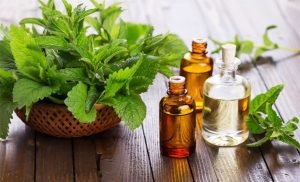
Tea Tree Essential Oil Tea tree oil is often referred to as “medicine cabinet in a bottle,” as it’s ..
-

13 surprising home remedies for acid reflux Before you reach for the heavy-duty, prescription-strength ..
-
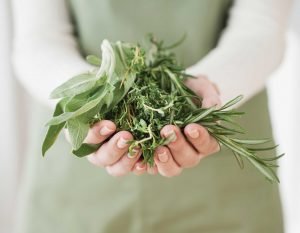
Great Burdock The root is used to treat ‘toxic overload’ that result in throat infections and skin ..