
-
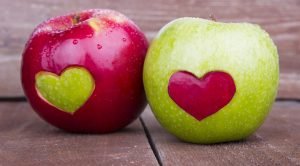
1. Apples Are Nutritious A medium apple is equal to 1.5 cups of fruit. Two cups of fruit daily are recommended ..
-
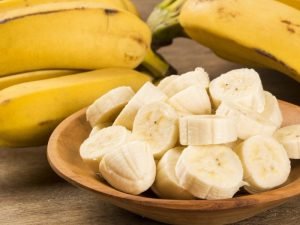
1.Bananas help overcome depression due to high levels of tryptophan, which is converted into serotonin ..
-
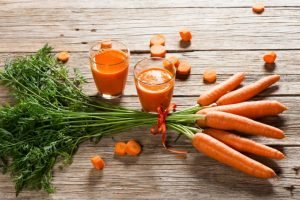
1. Beta carotene: Carrots are a rich source of this powerful antioxidant, which, among other vital uses, ..
-

Tinnitus in the ear can occur due to ear infections, various infections, perforation of the eardrum, ..
-
Comments Off on Pregnancy Calendar – Week 5 of Your Pregnancy

5-week pregnancy “Pregnancy calendar” at week 5: Your baby’s brain is developing. You may feel ..
-
Comments Off on Pregnancy Calendar – Week 4 of Your Pregnancy

4 weeks pregnancy “Pregnancy calendar” at 4th week: A miracle begins! Your baby, now consisting ..
-

Understanding Pregnancy Cravings And Managing Them
Pregnancy cravings can appear suddenly, change from week to week, and range from familiar comfort foods to unusual combinations. A strong desire for fruit, salty snacks, dairy products, or spicy meals is common during pregnancy and usually reflects a mix of hormonal changes, altered taste and smell, appetite shifts, emotions, and everyday hunger.
Cravings are usually harmless when they fit within a varied eating pattern. They can become difficult when they lead to frequent overeating, replace nutritious meals, worsen heartburn, or involve substances that are unsafe to eat. Understanding the difference between a normal food preference and a warning sign makes cravings easier to manage.
There is no need to feel guilty about wanting a particular food. A realistic pregnancy diet can include occasional treats while still supplying protein, fiber, iron, calcium, folate, iodine, and other nutrients needed for maternal health and fetal development.
Why Pregnancy Cravings Happen
Hormones can influence the senses of taste and smell, especially during the first trimester. Foods that once seemed unpleasant may suddenly become appealing, while familiar meals may trigger nausea. Increased sensitivity to odors can also make cold foods, plain carbohydrates, or tart fruits easier to tolerate than hot, strongly scented dishes.
Changes in appetite may reflect the body’s rising energy needs, although cravings do not reliably identify a specific nutrient deficiency. Wanting red meat does not automatically mean that iron levels are low, and craving milk does not prove that calcium intake is inadequate. Nutrient needs are best assessed through the overall diet, symptoms, and medical care rather than through cravings alone.
Emotional comfort can play a role as well. Pregnancy can bring fatigue, stress, excitement, and disrupted routines, making sweet or salty foods feel rewarding. Poor sleep and long gaps between meals may intensify hunger and make highly processed foods harder to resist.
Common Cravings And Healthier Pairings
Sweet cravings may involve chocolate, ice cream, pastries, or sweetened drinks. Instead of treating these foods as forbidden, combine smaller portions with more nourishing choices. Greek yogurt with berries, a banana with peanut butter, or a few squares of dark chocolate after a balanced meal can satisfy sweetness while adding protein, fruit, or healthy fats.
Salty and savory cravings can be managed with options such as roasted chickpeas, whole-grain crackers with hummus, air-popped popcorn, or a baked potato topped with yogurt and herbs. These choices offer more fiber and protein than many packaged snacks. Reading food labels can help limit excessive sodium, which may contribute to fluid retention and is especially important for people advised to monitor their blood pressure.
A desire for sour or cold foods is common when nausea is present. Citrus fruit, chilled melon, applesauce, or ice pops made from unsweetened fruit may be appealing. People with reflux or sensitive teeth may need to reduce acidic foods or rinse the mouth with water afterward rather than brushing immediately.
Spicy foods are generally safe if they do not cause discomfort, but they may aggravate heartburn, indigestion, or diarrhea. Garlic, ginger, basil, and other herbs can add flavor without relying on large amounts of salt. For background on culinary and traditional uses, see these garlic health uses, while remembering that concentrated garlic supplements should be discussed with a healthcare professional during pregnancy.
Building A Flexible Eating Routine
Regular meals and planned snacks can reduce the intense hunger that drives impulsive choices. A useful pattern is to eat every few hours, adjusting the timing to appetite, nausea, work schedules, and medical advice. Each meal can include a protein source, a high-fiber carbohydrate, vegetables or fruit, and a source of unsaturated fat.
Examples include eggs with whole-grain toast and avocado, lentil soup with vegetables, chicken with brown rice and salad, or cottage cheese with fruit and seeds. A snack that combines two food groups, such as an apple with cheese or yogurt with oats, often provides steadier fullness than a sweet snack by itself.
Hydration also matters. Thirst can sometimes be mistaken for hunger, and dehydration may worsen fatigue, constipation, headaches, and nausea. Water is the usual choice, while milk, broth, and low-sugar drinks can contribute fluid. Caffeinated drinks should remain within the limit recommended by the prenatal care provider, and alcohol should be avoided during pregnancy.
A flexible routine leaves room for appetite changes. If vegetables are difficult during a period of nausea, soups, smoothies, or well-cooked vegetables may be easier to tolerate. If breakfast is unappealing, a small snack soon after waking and a later meal may work better than forcing a large plate.
Craving or Eating Pattern Practical Response When To Seek Advice Sweets or sweetened drinks Choose fruit, yogurt, or a small portion with a meal; replace sugary drinks with water or milk Frequent intense thirst, excessive urination, or concerns about blood sugar Salty packaged foods Compare labels, use smaller portions, and try popcorn, beans, or baked snacks New or severe swelling, high blood pressure, or a clinician’s sodium restriction Ice or non-food substances Stop consuming non-food items and mention the craving to a provider Any persistent pica craving, fatigue, dizziness, or shortness of breath Meat or dairy Include safe, well-cooked versions and plant alternatives such as beans or fortified products Ongoing food avoidance, vomiting, or concern about iron, calcium, or vitamin B12 Spicy or acidic foods Reduce portion size and avoid lying down soon after eating Persistent heartburn, pain, vomiting, or difficulty swallowing Foods And Substances That Need Care
Pregnancy cravings do not change basic food safety guidance. Meat, eggs, and seafood should be cooked thoroughly, and unpasteurized milk, soft cheeses made from unpasteurized milk, and raw sprouts may carry infection risks. Produce should be washed under running water, and leftovers should be refrigerated promptly and reheated safely.
Some fish contain beneficial omega-3 fats, while others can contain high levels of mercury. Choosing lower-mercury fish and following local pregnancy guidance is safer than avoiding all seafood. Deli meats, refrigerated pâté, and smoked seafood may need heating according to regional recommendations, particularly for protection against listeria.
Herbal teas, powders, tinctures, and “natural” appetite products deserve caution. Natural does not automatically mean safe in pregnancy, and products may vary in strength or contain several ingredients. A prenatal clinician or pharmacist can check possible interactions and determine whether an herb is appropriate.
Cravings for clay, soil, chalk, laundry starch, soap, paper, ice, or other non-food substances may indicate pica. Pica can be associated with iron deficiency or other nutritional concerns, and some substances may contain toxins, parasites, or chemicals. It is a medical issue rather than a lack of willpower, so it should be reported honestly and without embarrassment.
Managing Portions Without Guilt
Portion control works better when it is practical rather than punitive. Put a desired food on a plate instead of eating directly from a large package, pause between servings, and combine the craving with a meal or nourishing snack. These steps create awareness without turning food into a moral test.
Keeping satisfying alternatives available can reduce reliance on convenience foods. A kitchen stocked with fruit, nuts, whole-grain foods, eggs, yogurt, beans, and prepared vegetables makes it easier to respond to hunger quickly. Cravings are often strongest when a person is tired, so simple options that require little preparation are valuable.
Food journaling can reveal patterns, such as cravings after skipped meals, during stressful periods, or late at night. The purpose is to observe triggers rather than count every calorie. If tracking increases anxiety or encourages restrictive eating, it is better to stop and discuss nutrition support with a qualified professional.
Pregnancy is not a time for aggressive dieting or intentional weight-loss plans unless a specialist has provided individualized medical supervision. Adequate energy and nutrients are important, and recommended weight changes vary according to pre-pregnancy health, pregnancy type, and stage of pregnancy.
When Cravings Need Medical Attention
Contact a prenatal healthcare provider if cravings lead to repeated binge eating, significant food restriction, dehydration, or an inability to keep meals down. Persistent vomiting, faintness, rapid weight changes, or severe weakness may require prompt assessment. These symptoms can occur with conditions such as hyperemesis gravidarum or other pregnancy-related problems.
Cravings accompanied by extreme thirst, frequent urination, blurred vision, or unusual fatigue should also be discussed. These symptoms do not confirm gestational diabetes, but screening and professional evaluation are important. A provider can recommend suitable meal adjustments without unnecessary restriction.
Seek urgent care for signs of a serious allergic reaction, severe abdominal pain, heavy bleeding, chest pain, trouble breathing, or confusion. Food poisoning symptoms such as high fever, bloody diarrhea, or ongoing vomiting also warrant medical attention during pregnancy.
Simple Ways To Keep Cravings Balanced
- Eat regular meals that include protein and fiber to prevent extreme hunger.
- Keep satisfying, pregnancy-safe snacks ready at home, work, or while traveling.
- Use fruit, herbs, spices, and naturally flavorful foods to add variety.
- Check with a healthcare professional before using herbal supplements or concentrated products.
- Report non-food cravings, persistent vomiting, or symptoms of possible blood sugar problems.
Cravings are a normal part of many pregnancies, but they do not need to control the entire eating pattern. A balanced approach allows room for preferred foods while protecting hydration, food safety, and essential nutrition. Share unusual cravings and concerning symptoms with a prenatal care provider, and use professional guidance to create an eating routine that supports both parent and baby.
-

Tea Tree Essential Oil Tea tree oil is often referred to as “medicine cabinet in a bottle,” as it’s ..
-

13 surprising home remedies for acid reflux Before you reach for the heavy-duty, prescription-strength ..
-

Great Burdock The root is used to treat ‘toxic overload’ that result in throat infections and skin ..