
-

1. Apples Are Nutritious A medium apple is equal to 1.5 cups of fruit. Two cups of fruit daily are recommended ..
-
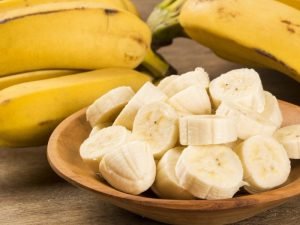
1.Bananas help overcome depression due to high levels of tryptophan, which is converted into serotonin ..
-
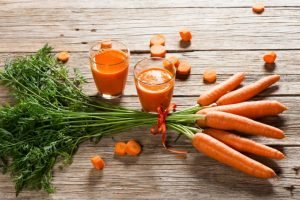
1. Beta carotene: Carrots are a rich source of this powerful antioxidant, which, among other vital uses, ..
-

Tinnitus in the ear can occur due to ear infections, various infections, perforation of the eardrum, ..
-
Comments Off on Pregnancy Calendar – Week 5 of Your Pregnancy

5-week pregnancy “Pregnancy calendar” at week 5: Your baby’s brain is developing. You may feel ..
-
Comments Off on Pregnancy Calendar – Week 4 of Your Pregnancy

4 weeks pregnancy “Pregnancy calendar” at 4th week: A miracle begins! Your baby, now consisting ..
-
Understanding Turmeric and Curcumin in Everyday Health
Turmeric is a golden-yellow spice with a long history in South Asian cooking and traditional medicine. Its vivid color comes mainly from curcuminoids, a group of plant compounds that includes curcumin. Modern interest in turmeric has grown because laboratory and clinical research suggests that these compounds may influence inflammation, oxidative stress, and several biological pathways linked with health.
Still, turmeric supplements are not a universal remedy. The amount of curcumin in a kitchen serving is usually modest, while concentrated capsules can deliver much higher doses. The body also absorbs curcumin poorly unless it is prepared with an absorption-enhancing ingredient or formulation. Understanding this difference helps people use turmeric more realistically and safely.
The evidence is promising for some conditions, particularly as a complementary option for joint discomfort, but research quality varies. Turmeric should support a balanced diet and appropriate medical care rather than replace prescribed treatment, diagnosis, or professional advice.
What Turmeric Contains
Turmeric comes from the rhizome of Curcuma longa, a plant related to ginger. It can be used fresh, dried, or ground into a spice. Although turmeric contains essential oils, minerals, and other natural compounds, curcuminoids receive the greatest scientific attention. Curcumin is the best-known member of this group, accompanied by related compounds such as demethoxycurcumin and bisdemethoxycurcumin.
The word “turmeric” and the word “curcumin” are therefore not interchangeable. Turmeric powder contains only a small percentage of curcuminoids, and its composition can vary according to the plant variety, growing conditions, processing, and storage. A standardized curcumin extract is much more concentrated than culinary spice.
Traditional systems of medicine have used turmeric for digestive complaints, skin concerns, minor aches, and general wellness. These historical uses provide valuable context, but they do not automatically prove that a preparation will treat a modern medical condition. Current evidence must consider dose, product quality, study design, and the health status of the person taking it.
How Curcumin May Work
Curcumin is studied for its relationship with inflammatory signaling. Inflammation is a normal part of immune defense and tissue repair, but persistent or excessive inflammation can contribute to pain and chronic disease processes. Laboratory studies indicate that curcumin may affect signaling molecules and enzymes involved in inflammatory responses, including pathways associated with nuclear factor kappa B and cyclooxygenase activity.
The compound also has antioxidant activity in experimental settings. Antioxidants help limit damage caused by unstable molecules known as free radicals. Curcumin may interact with the body’s own antioxidant defenses, including pathways that regulate protective enzymes. These findings are biologically interesting, yet effects seen in cells or animals do not always occur at the same strength in humans.
Absorption is one of the central issues in turmeric research. Curcumin is poorly soluble in water and is rapidly metabolized, which can limit the amount reaching the bloodstream. Some products combine it with piperine, a compound from black pepper, while others use lipid-based, nanoparticle, or phytosome delivery systems. Enhanced absorption can increase exposure, but it may also increase the chance of interactions with medicines.
Potential Health Uses
The strongest practical interest currently surrounds osteoarthritis and other forms of joint discomfort. Several clinical trials and reviews suggest that standardized curcumin products may modestly reduce pain and improve function in some people with knee osteoarthritis. The results are encouraging, but studies differ in formulation and dose, and turmeric extract is not a substitute for physical therapy, weight management when appropriate, or medical evaluation of persistent pain.
Researchers have also examined curcumin for digestive health. It may influence bile flow and inflammatory activity, but evidence for conditions such as inflammatory bowel disease, indigestion, and irritable bowel syndrome remains mixed. People with abdominal pain, blood in the stool, unexplained weight loss, or ongoing changes in bowel habits should seek medical assessment rather than self-treating with supplements.
There is preliminary research involving metabolic health, mood, skin conditions, and exercise recovery. Some studies report small changes in blood sugar markers, cholesterol, depressive symptoms, or muscle soreness. These findings are not strong enough to establish curcumin as a primary treatment. A supplement may be considered only as part of a broader plan that includes nutritious food, movement, sleep, and condition-specific care.
Interest in calming herbal practices often overlaps with discussions of inflammation and general well-being. For people building a relaxing evening routine, herbal teas for stress may be a gentler option than assuming a concentrated turmeric product will improve anxiety or sleep.
What Research Can and Cannot Show
Clinical research is more useful than traditional use alone because it tests health outcomes in people. Even so, turmeric studies frequently involve small groups, short follow-up periods, different extracts, and varying methods for measuring symptoms. A positive result from one branded formulation may not apply to every turmeric capsule or powder.
A further complication is the difference between symptom relief and disease modification. If a participant reports less joint pain, that does not necessarily mean the supplement has repaired cartilage or stopped the underlying condition. Likewise, a change in an inflammation marker does not always translate into a meaningful improvement in daily health.
The following summary presents the general level of evidence rather than a guarantee for any individual. “Promising” means research suggests a possible benefit but has important limitations. “Insufficient” means current findings do not support a reliable health claim.
Area of use What current research suggests Important limitation Osteoarthritis discomfort May provide modest short-term pain relief and improved movement Products and doses vary; long-term safety is less certain General inflammation Curcumin affects inflammatory pathways in laboratory studies Laboratory activity does not prove a clinical benefit Digestive complaints May help selected symptoms in some people Evidence is mixed and serious symptoms require assessment Metabolic markers Small improvements have appeared in some trials It should not replace diabetes or cholesterol treatment Mood and stress Early studies show possible effects on depressive symptoms Results are inconsistent and not a substitute for mental health care Exercise soreness May reduce some measures of post-exercise discomfort Benefits may be modest and depend on the formulation A careful interpretation keeps expectations proportionate. Curcumin may be useful as an adjunct for selected concerns, but claims that it “detoxes” the body, prevents every chronic disease, or cures cancer are unsupported. The body already has organs and systems that process waste, and serious illnesses require evidence-based treatment.
Choosing a Safe Supplement
Turmeric used as a food ingredient is generally well tolerated by most adults. Concentrated supplements deserve greater caution because they can deliver much more curcumin than ordinary meals. Common side effects include nausea, loose stools, stomach upset, and reflux. Taking a product with food may reduce digestive discomfort, although it does not eliminate other risks.
Curcumin may affect blood clotting, especially when combined with anticoagulant or antiplatelet medicines. Caution is also appropriate for people with gallstones, bile duct obstruction, active gallbladder disease, or a history of kidney stones. Some formulations containing piperine can change how the body absorbs and metabolizes medicines, potentially altering their effects.
People preparing for surgery should disclose supplement use to their healthcare team and follow instructions about when to stop. Anyone taking medication for diabetes, blood pressure, clotting, seizures, or other chronic conditions should obtain individualized advice before starting a concentrated extract. Pregnancy and breastfeeding also warrant professional guidance, since culinary use is different from medicinal doses and safety data for high-dose products are limited.
Product quality matters. Look for clear labeling of the curcuminoid amount, independent testing when available, batch information, and a manufacturer with transparent quality controls. A label that lists only “turmeric root” may not reveal how much curcumin the product contains. Avoid products that promise dramatic cures or hide the dose behind a proprietary blend.
Practical Ways to Include Turmeric
Using turmeric in food is a simple way to enjoy its flavor and color without automatically taking a pharmacological dose. It can be added to lentil soup, roasted vegetables, rice, eggs, curries, dressings, or warm milk. Combining it with a source of fat may improve the absorption of some components, while black pepper is commonly paired with turmeric in cooking. These culinary combinations should not be confused with the standardized doses used in clinical trials.
Fresh turmeric can be grated into sauces, teas, and soups, though it may stain clothing and kitchen surfaces. A varied diet remains more important than focusing on one spice. Pair turmeric with vegetables, fruits, beans, whole grains, nuts, seeds, and healthy protein sources to gain a wider range of fiber and protective plant compounds.
A homemade turmeric drink may be soothing, but concentrated “shots” can contain large amounts of spice, pepper, or acidic ingredients that irritate the stomach. People with reflux or sensitive digestion should start with small culinary quantities. Persistent symptoms after consuming turmeric are a reason to stop and seek medical advice.
There is also a difference between supporting wellness and treating a diagnosed problem. A person with ongoing joint swelling, jaundice, severe abdominal pain, or unexplained fatigue should not rely on turmeric recipes while delaying evaluation. Natural products can have physiological effects, and “natural” does not mean risk-free.
Responsible Steps Before Use
A practical approach can make turmeric and curcumin easier to assess:
- Decide whether the goal is culinary enjoyment, general wellness, or support for a diagnosed condition.
- Check the supplement facts panel for the exact curcuminoid amount and any added piperine or absorption technology.
- Review possible interactions with a pharmacist or clinician if you take regular medicines.
- Begin with food-based use or the lowest reasonable labeled amount rather than combining several turmeric products.
- Stop the supplement and seek advice if you develop unusual bleeding, severe stomach symptoms, rash, or yellowing of the skin.
Keep a simple record of the product, dose, start date, symptoms, and any changes in medication. This can help distinguish a genuine pattern from normal day-to-day variation. It is also useful when discussing supplements with a healthcare professional.
Curcumin is best viewed as a researched plant compound with potential benefits and clear limitations. Used thoughtfully, turmeric can add flavor to meals and may complement care for certain forms of discomfort. Use the spice as part of a balanced lifestyle, verify supplement claims carefully, and consult a qualified healthcare professional before using concentrated products for a medical condition.
-
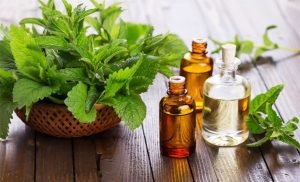
Tea Tree Essential Oil Tea tree oil is often referred to as “medicine cabinet in a bottle,” as it’s ..
-

13 surprising home remedies for acid reflux Before you reach for the heavy-duty, prescription-strength ..
-
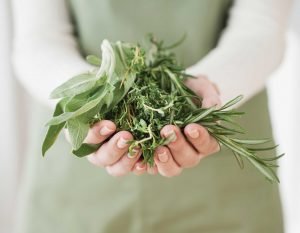
Great Burdock The root is used to treat ‘toxic overload’ that result in throat infections and skin ..