
-

1. Apples Are Nutritious A medium apple is equal to 1.5 cups of fruit. Two cups of fruit daily are recommended ..
-

1.Bananas help overcome depression due to high levels of tryptophan, which is converted into serotonin ..
-

1. Beta carotene: Carrots are a rich source of this powerful antioxidant, which, among other vital uses, ..
-

Tinnitus in the ear can occur due to ear infections, various infections, perforation of the eardrum, ..
-
Comments Off on Pregnancy Calendar – Week 5 of Your Pregnancy

5-week pregnancy “Pregnancy calendar” at week 5: Your baby’s brain is developing. You may feel ..
-
Comments Off on Pregnancy Calendar – Week 4 of Your Pregnancy

4 weeks pregnancy “Pregnancy calendar” at 4th week: A miracle begins! Your baby, now consisting ..
-

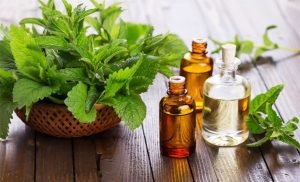
Using Peppermint Oil Safely for Headache Relief
A cool, minty scent and a mild tingling sensation have made peppermint oil a popular home remedy for headaches. Applied correctly, it may provide temporary comfort for some people, especially those with tension-type headaches linked to tight neck muscles, stress, or prolonged screen use.
Peppermint oil is not a universal treatment, and evidence for its effectiveness remains limited. It may ease symptoms without addressing the underlying cause, so recurring, severe, or unusual headaches deserve proper medical attention. The quality and concentration of commercial oils also vary considerably.
Understanding how to use peppermint oil, where to apply it, and when to avoid it can help reduce unnecessary risks. A cautious approach is particularly important for children, pregnant people, individuals with sensitive skin, and anyone taking medication or managing a chronic condition.
Why Peppermint May Ease Headache Symptoms
Peppermint contains menthol, a compound that creates a cooling sensation when it contacts the skin. Menthol activates cold-sensitive receptors and may distract the nervous system from pain signals. The cooling feeling can also make pressure around the forehead and temples seem less intense.
Topical peppermint preparations may have a mild numbing and muscle-relaxing effect. This is potentially useful for tension headaches, which often involve tightness across the forehead, scalp, jaw, shoulders, or upper neck. Gentle massage during application may contribute to the relief by encouraging relaxation and circulation in tense areas.
A small amount of research has examined peppermint oil or menthol preparations for tension-type headache pain. Some findings suggest that a suitable topical concentration can offer relief comparable to certain common pain treatments for some people. However, studies are limited, and results should not be interpreted as proof that essential oil treats migraines, cluster headaches, or every type of head pain.
Choosing And Diluting The Oil
Essential oils are highly concentrated. Applying undiluted peppermint oil directly to the skin may cause burning, redness, irritation, or an allergic reaction. A carrier oil such as jojoba, sweet almond, coconut, or grapeseed oil can reduce this risk.
For adults, a low-strength blend is a sensible starting point. One practical approach is to add one or two drops of peppermint essential oil to a teaspoon of carrier oil, creating a mild preparation. Commercial roll-ons may already be diluted, but the label should be checked carefully before use. Products intended for aromatherapy are not automatically suitable for direct skin application.
Avoid putting peppermint oil near the eyes, inside the nose, on the lips, or over cuts and irritated skin. Wash your hands after applying it, and keep the bottle away from children and pets. Peppermint oil should not be swallowed unless a qualified healthcare professional has specifically recommended an appropriate, professionally formulated product.
Applying Peppermint Oil For A Tension Headache
Before using a peppermint blend on the forehead, test a small amount on the inner forearm. Wait at least several hours, and preferably a full day, for signs of redness, itching, swelling, or burning. A patch test does not eliminate the possibility of a reaction, but it can identify some sensitivities before a larger area is treated.
If the test is tolerated, apply a very small amount to the temples, forehead, or the back of the neck. Keep the oil away from the hairline if it may run toward the eyes. Massage gently for a minute or two rather than pressing hard on painful areas. The goal is light, comfortable contact—not vigorous rubbing that could increase muscle tension.
The cooling sensation may appear quickly, but relief is not guaranteed and may be short-lived. Stop immediately if the skin feels intensely hot, painful, numb, or increasingly irritated. If the oil gets into the eyes, rinse with a carrier oil or another food-grade oil first, then seek urgent medical advice if discomfort continues; water alone may spread essential oil across the eye.
Approach Potential Use Main Precautions Diluted topical peppermint oil Temporary comfort for some tension headaches Patch-test first; keep away from eyes and broken skin Peppermint aroma May feel calming during stress-related head discomfort Stop if the scent causes nausea, dizziness, or breathing irritation Cool compress Can soothe forehead pressure without essential oils Use a cloth barrier and avoid extreme cold Gentle neck and shoulder massage May reduce muscle tension contributing to pain Avoid forceful pressure if movement causes sharp pain Hydration, food, and rest Helpful when headache follows thirst, skipped meals, or poor sleep Seek care if symptoms persist despite basic measures When Peppermint Oil May Not Be Appropriate
People with a history of skin allergies, eczema, rosacea, or fragrance sensitivity should be especially careful. Peppermint oil can trigger contact dermatitis, and the risk may be greater when the product is concentrated or applied repeatedly. Anyone who develops hives, facial swelling, wheezing, or severe dizziness needs urgent medical attention.
Do not apply peppermint oil to babies or young children. Menthol can irritate a child’s airways, and accidental contact with the face or ingestion can be dangerous. Older children and teenagers should use it only with guidance from a parent, guardian, pharmacist, or clinician, particularly if they have asthma or other breathing problems.
Pregnancy and breastfeeding require individualized advice because safety depends on the route, amount, formulation, and personal health history. People taking regular medication, managing reflux, or using other topical products should also ask a healthcare professional before using essential oils. A natural label does not guarantee that a remedy is risk-free.
A headache that follows a head injury, begins suddenly and severely, or occurs with weakness, confusion, fainting, fever, a stiff neck, vision loss, or trouble speaking requires urgent medical evaluation. New headaches during pregnancy, headaches that progressively worsen, and headaches accompanied by persistent vomiting should also be assessed promptly.
Combining Relief With Healthy Habits
Peppermint oil is more likely to be useful as one part of a broader headache-care routine than as a stand-alone solution. A quiet room, regular meals, sufficient water, reduced screen brightness, and a consistent sleep schedule may address common triggers. Stretching the neck and shoulders can help when posture or long periods at a desk contribute to tension.
Keeping a headache diary can reveal patterns involving caffeine, alcohol, stress, menstrual changes, dehydration, skipped meals, or particular foods. Record when the pain began, where it was located, how long it lasted, what symptoms appeared, and what helped. This information can make it easier to distinguish occasional tension headaches from migraine or another condition.
General nutrition matters as well. A balanced eating pattern that includes vegetables, fruits, legumes, whole grains, nuts, and appropriate protein supports overall health, while practical dietary changes can benefit several risk factors at once; readers exploring dietary cholesterol guidance may find that broader nutrition habits are relevant to long-term wellness even though they do not directly treat a headache.
Practical Steps For Safer Use
- Choose a clearly labeled peppermint product from a reputable manufacturer and check whether it is already diluted.
- Mix a small amount with a carrier oil and perform a patch test before applying it to the temples or neck.
- Use only a thin layer, avoid the eyes and broken skin, and wash your hands immediately afterward.
- Stop using it if irritation, breathing discomfort, nausea, or worsening pain develops.
- Arrange medical assessment for frequent headaches, changing symptoms, or any warning sign such as weakness, confusion, fever, or sudden severe pain.
Peppermint Oil Compared With Other Options
Different headache patterns respond to different measures. A cooling topical preparation may be reasonable for mild tension discomfort, while a migraine may require a quiet, dark environment and a treatment plan developed with a healthcare professional. Peppermint aroma can feel pleasant, but strong scents may worsen nausea or headache in some people.
A cool compress offers a low-risk alternative for people who cannot tolerate essential oils. It can be placed across the forehead or neck for a short period with a cloth between the skin and the compress. Gentle stretching, breathing exercises, and progressive muscle relaxation may be more useful when stress and muscle tightness are major triggers.
Over-the-counter pain medicines can help some headaches, but they should be used according to label directions and personal medical advice. Frequent use may lead to medication-overuse headaches, while some medicines are unsuitable for people with ulcers, kidney disease, liver disease, anticoagulant use, or pregnancy. A pharmacist can help compare options safely.
Peppermint oil should therefore be viewed as an optional comfort measure rather than a replacement for diagnosis or proven treatment. If headaches occur often enough to interfere with work, sleep, exercise, or daily activities, professional guidance is more valuable than repeatedly experimenting with home remedies.
Making Headache Care More Personal
The most useful approach depends on the type of pain. Tension headaches commonly feel like steady pressure or a tight band, while migraines may involve throbbing pain, nausea, and sensitivity to light or sound. Sinus symptoms, medication effects, vision problems, hormonal changes, and high blood pressure can also be associated with head pain, so self-treatment should not obscure an ongoing pattern.
Try one change at a time and observe the response. If a diluted application feels soothing, use it sparingly and record how long the benefit lasts. If there is no improvement after a reasonable trial, continuing to apply more oil is unlikely to solve the problem and may increase the chance of skin irritation.
A clinician can help identify triggers, review medicines, assess neurological symptoms, and recommend an appropriate treatment plan. Prompt care is especially important when the headache is different from usual or appears with neurological, infectious, or visual symptoms.
Use peppermint oil carefully, keep expectations realistic, and pair any topical remedy with rest, hydration, trigger awareness, and appropriate medical care. When headaches become frequent or disruptive, arrange an evaluation rather than relying on essential oils alone.
-
Tea Tree Essential Oil Tea tree oil is often referred to as “medicine cabinet in a bottle,” as it’s ..
-

13 surprising home remedies for acid reflux Before you reach for the heavy-duty, prescription-strength ..
-

Great Burdock The root is used to treat ‘toxic overload’ that result in throat infections and skin ..