
-

1. Apples Are Nutritious A medium apple is equal to 1.5 cups of fruit. Two cups of fruit daily are recommended ..
-
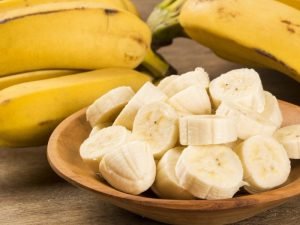
1.Bananas help overcome depression due to high levels of tryptophan, which is converted into serotonin ..
-
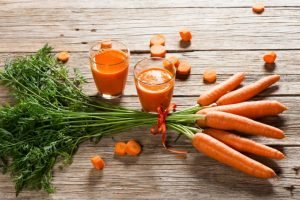
1. Beta carotene: Carrots are a rich source of this powerful antioxidant, which, among other vital uses, ..
-

Tinnitus in the ear can occur due to ear infections, various infections, perforation of the eardrum, ..
-
Comments Off on Pregnancy Calendar – Week 5 of Your Pregnancy

5-week pregnancy “Pregnancy calendar” at week 5: Your baby’s brain is developing. You may feel ..
-
Comments Off on Pregnancy Calendar – Week 4 of Your Pregnancy

4 weeks pregnancy “Pregnancy calendar” at 4th week: A miracle begins! Your baby, now consisting ..
-
What to Drink After a Heavy Meal for Gentle Digestion
A large meal can leave you feeling uncomfortably full, bloated or sluggish. Rich sauces, fatty cuts of meat, creamy desserts and fast eating may all contribute to that heavy sensation. The right drink will not instantly “flush out” a meal, but a suitable choice can provide fluid, warmth and comfort while your digestive system does its normal work.
For most people, plain water is the simplest place to begin. Small, steady sips are generally more comfortable than quickly drinking a large glass. Warm drinks such as ginger tea or peppermint tea may also help you relax after eating, while a light herbal infusion can be a pleasant alternative to another alcoholic drink, soft drink or strong coffee.
In Australia, meal sizes and eating patterns vary widely, from a Sunday barbecue in Brisbane to a late dinner in Melbourne or a seafood lunch on the New South Wales coast. Hot weather in Perth, Adelaide or Darwin can increase the need for fluids, but it also makes very sugary beverages easy to overconsume. These choices should support comfort without pretending to treat an underlying medical condition.
Why A Heavy Meal Can Feel Uncomfortable
Digestion involves the stomach, intestines, nerves, muscles and a range of digestive juices. A very large meal stretches the stomach and takes longer to move onwards, especially when it contains considerable fat. Fat is an important part of a balanced diet, yet high-fat meals can delay stomach emptying and make fullness last for several hours.
Eating quickly, talking while chewing, drinking through a straw and consuming carbonated beverages can also increase swallowed air. This may add belching or abdominal bloating to the feeling of fullness. Spicy foods, onions, legumes and certain sweeteners can create extra gas in people who are sensitive to them, although tolerances differ from person to person.
A drink can ease dryness, replace fluid and provide a calming ritual, but it cannot cancel the calories or speed digestion dramatically. The stomach does not need to be “cleansed” after a celebration meal. Gentle movement, an upright posture and time are often just as useful as the beverage in your cup.
Plain Water Is A Reliable First Choice
Room-temperature or warm water is a practical option after a rich meal. It supports normal hydration and has no added sugar, caffeine or alcohol. Rather than forcing down a large amount, try a few sips while clearing the table, then drink according to thirst during the next few hours.
Cold water is also fine if it feels comfortable. Claims that chilled water stops digestion are not well supported, and the main consideration is personal preference. In Australia’s warmer regions, water may be especially important after outdoor meals, sport or time in the sun. Keep a refillable bottle nearby at a barbecue or picnic so hydration does not depend on soft drinks.
Sparkling water can be refreshing, but carbonation may worsen belching or bloating for some people. Flavoured varieties should be checked for added sugar, sweeteners and caffeine. A slice of lemon, lime, orange or cucumber can add flavour without turning water into a sugary beverage, though acidic citrus may aggravate reflux in some individuals.
Herbal Drinks That May Offer Comfort
Ginger tea is commonly used for nausea and digestive discomfort. Freshly sliced ginger steeped in hot water creates a warming drink with a sharp flavour, while commercial tea bags are convenient. The evidence for ginger is stronger for some forms of nausea than for ordinary post-meal fullness, so it is best viewed as a soothing option rather than a guaranteed digestive aid.
Peppermint tea may help some people with intestinal cramping or gas because peppermint compounds can relax smooth muscle. However, peppermint may worsen heartburn or allow reflux symptoms to become more noticeable. Anyone who experiences burning in the chest after meals may prefer ginger, chamomile or plain water instead.
Fennel tea is another traditional choice after meals, particularly for people who enjoy an anise-like flavour. Research on herbal remedies is mixed, and preparations vary in strength. Avoid treating concentrated herbal products as automatically harmless, especially during pregnancy, while taking medicines or when managing a chronic condition.
Nourishing Sips For A Rich Or Salty Meal
A light, low-salt broth can be comforting after a substantial meal, particularly in cooler weather. Homemade broth with vegetables, garlic, ginger and herbs may provide warmth without the heaviness of cream-based soup. For a simple preparation, see this guide to a healing turmeric broth, which can be adapted to suit your taste and dietary needs.
Broth should not be considered a detox drink or a replacement for a balanced meal. Many packaged stocks and instant cups are high in sodium, so compare labels and choose reduced-salt products where possible. This is particularly relevant after salty takeaway food, such as chips, pizza or a large serving of fried chicken, when another sodium-heavy drink or soup may add to thirst.
A small glass of plain milk or an unsweetened fortified plant drink can be suitable for people who tolerate it, although it may feel too rich immediately after a heavy meal. Drinks containing protein, fat or substantial calories are not necessarily better for digestion; they are simply additional nourishment. Listen to how your body responds rather than choosing a beverage because it is marketed as a wellness product.
Drinks That Can Make Symptoms Worse
Alcohol is a common part of social dining in Australia, from a glass of wine with dinner to beer at a backyard barbecue. It can irritate the stomach, worsen reflux and interfere with sleep, particularly when consumed after a large or fatty meal. Choosing water between alcoholic drinks can reduce overall intake, but water does not remove alcohol from the bloodstream or prevent intoxication.
Large servings of cola, energy drinks and sweet iced beverages may add sugar, caffeine and carbonation when your stomach already feels stretched. Energy drinks are especially unsuitable as a digestive remedy. High caffeine intake can cause palpitations, restlessness or a more unsettled stomach in sensitive people.
Coffee may be enjoyable after lunch, but it can trigger reflux or bowel urgency in some people. Strong black tea has a similar issue for caffeine-sensitive drinkers. If you want a warm drink, try a weaker brew or caffeine-free herbal tea and avoid adding large amounts of cream or syrup.
A Simple Post-Meal Routine
The most useful drink depends on your symptoms, the climate and what you have already consumed. Someone who has eaten a salty meal after a hot afternoon in Cairns may mainly need water, while a person with mild nausea may prefer small sips of ginger tea. Someone prone to reflux may need to avoid peppermint, citrus and lying down soon after eating.
- Sip plain water gradually rather than consuming a large volume at once.
- Choose ginger or chamomile tea when warmth and a gentle flavour are appealing.
- Try peppermint only if reflux is not a concern.
- Select homemade or reduced-salt broth instead of highly processed soup.
- Limit alcohol, energy drinks, sugary soft drinks and excess caffeine.
- Stay upright and take a gentle walk if comfortable after eating.
A ten- to fifteen-minute stroll may support normal stomach movement and reduce the urge to recline immediately. In cities such as Sydney or Canberra, walking home from a restaurant can be an easy part of this routine; in very hot weather, choose a shaded route and avoid strenuous exercise straight after eating. At home, loosen tight clothing, sit upright and give your body time.
When Indigestion Needs Medical Attention
Occasional fullness after a large meal is usually temporary. Repeated indigestion, however, may be related to reflux, an ulcer, gallbladder disease, food intolerance or another condition that needs assessment. Keep track of patterns, including particular foods, drink choices, timing and symptoms, if discomfort keeps returning.
Seek urgent medical help for severe or persistent abdominal pain, chest pressure, trouble breathing, fainting, vomiting blood, black stools or repeated vomiting. In Australia, call Triple Zero (000) for an emergency. Chest discomfort can sometimes resemble indigestion, so it should not be dismissed simply because it follows a meal.
For ongoing but non-urgent symptoms, arrange an appointment with a GP. A pharmacist can offer general guidance about occasional heartburn or suitable hydration, while a dietitian may help identify triggers without unnecessary food restriction. A sensible drink can provide comfort after a heavy meal, but persistent symptoms deserve more than a home remedy.
-
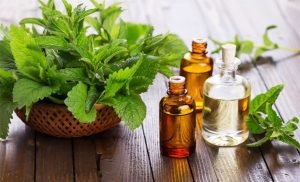
Tea Tree Essential Oil Tea tree oil is often referred to as “medicine cabinet in a bottle,” as it’s ..
-

13 surprising home remedies for acid reflux Before you reach for the heavy-duty, prescription-strength ..
-
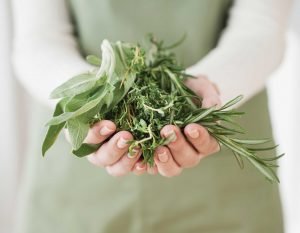
Great Burdock The root is used to treat ‘toxic overload’ that result in throat infections and skin ..